Rome does not simply perch on history. It breathes it. Each cobblestone street, each crumbled ruin and each shadowy piazza contains a story, one that goes back more than 2,700 years.
I have compiled this Rome travel guide in order to make you not get lost in the mix. The best places to visit in Rome in 2026 are listed here, with tips on the real and more current prices.
Why Rome Needs to be on your Bucket list
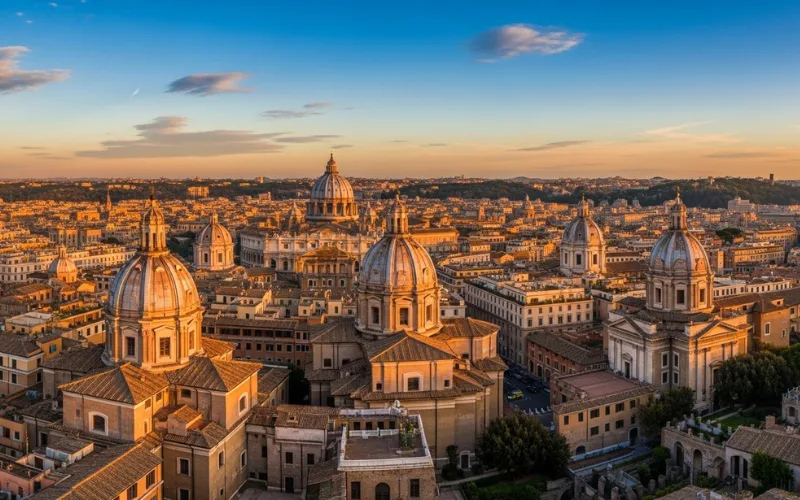
It is hard to find a city with so much to do in a single location. The Colosseum, Vatican City, the Pantheon and Trevi Fountain are all within the walking distance of each other. You can feel a column that is 2000 years old and have the best pasta of your life round the corner.
Rome is another city that transformed a great deal towards 2026. In December 2025, a brand new Metro Line C station was inaugurated right at the Colosseum. The Trevi Fountain now charges a €2 entry fee. And Jubilee Year improvements wiped billions of dollars improved the city cleaner and more walkable than it has been in decades. This is a good time to visit Rome in case you are intending to do so.
The Best Historical Landmarks in Rome
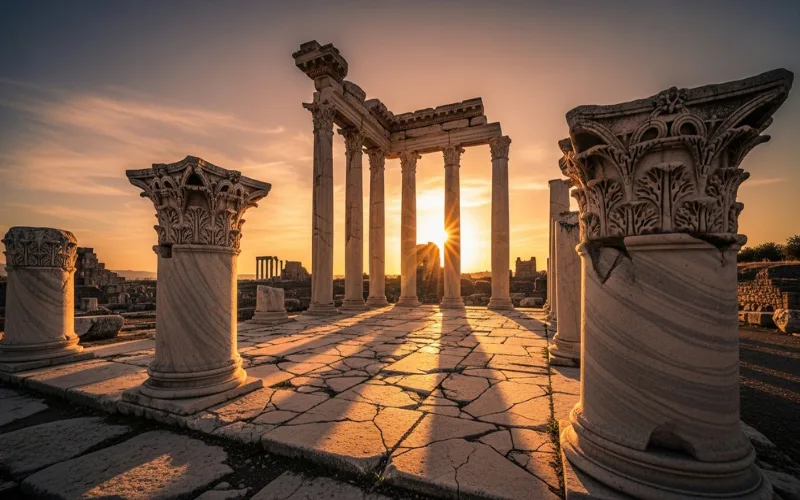
The ancient sites are the primary tourist attraction sites in Rome. These are must see places in Rome and should be top on the list of places to visit.
The Colosseum
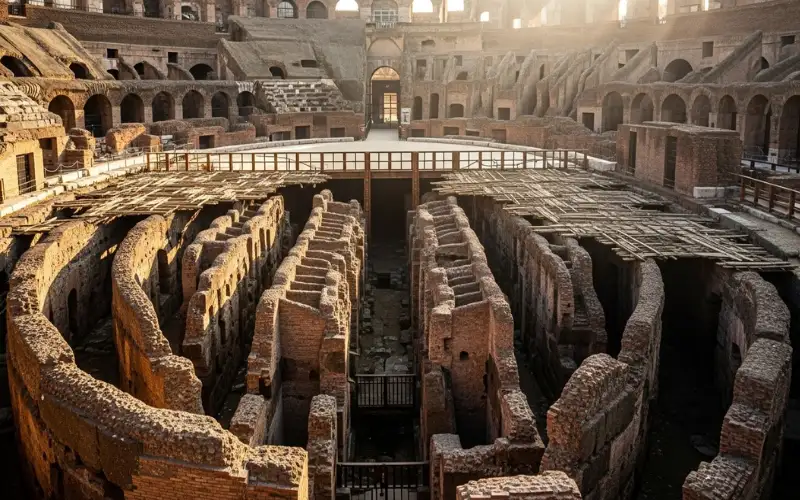
The Colosseum cannot be left out in a list of things to do in Rome. You almost feel that you are in the midst of the crowds that gathered in this 50,000 seat amphitheater almost 2,000 years ago as you stand inside of it.
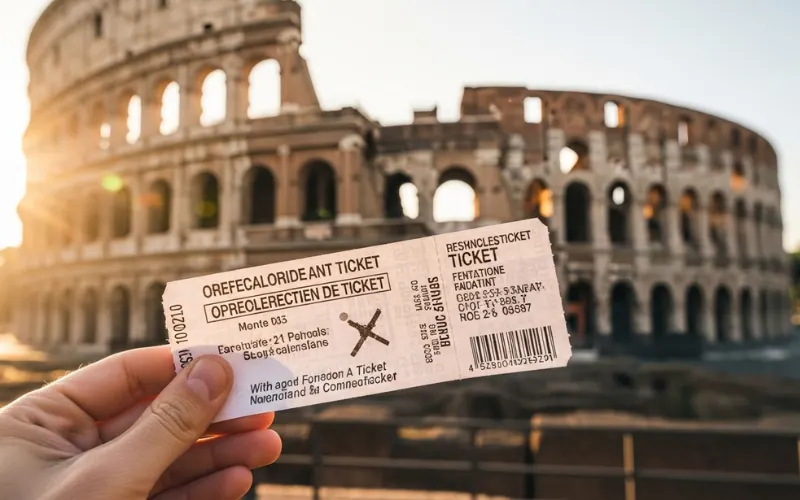
Normal tickets cost €18, and they allow visiting the Roman forum, Palatine hill, and Imperial fora. To have the complete experience with the underground tunnels and arena floor, upgrade to the €24 Full Experience ticket. That it holds good to two days in one, and then you can divide the Colosseum and Forum between two mornings.
This is what you must understand about timing. The actual release of tickets occurs 30 days prior on the official site ticketing.colosseo.it at approximately half past eight Rome time. They get sold out easily, particularly in underground tours. All the tickets are name based and they have timetopins, carry your ID.
Colosseum Ticket Prices and Options (2026)
| Ticket Type | Price | Includes |
| Standard (24h) | €18 | Colosseum levels 1 & 2, Forum, Palatine Hill |
| Full Experience + Arena | €24 | Underground + arena floor + Forum + Palatine (2 days) |
| Guided Didactic Tour | €32 | 75 min guided tour + all access areas (2 days) |
| EU Citizens 18–25 | €2 + €2 fee | Same access, valid ID required |
| Under 18 (all nationalities) | Free + €2 fee | Reservation still mandatory |
Pro tip: To avoid the Colosseum ticket queue, just use the entrance to the Roman Forum entrance on Via dei Fori Imperiali. The same ticket, but the line is normally a quarter of what you would have at the Colosseum gates. Get there at 8:30 AM opening or 2 or 3 hours earlier than closing to get to the lowest crowds.
The most popular upgrade is the underground tour which sells out minutes after it is released. The hypogeum contains 160 meters of recovered tunnels, cages of animals, trapdoors, and wooden elevator systems which were used in glladiator and wild animals to ascend into the arena. Only the guided access and the underground remain cool all year round making it a welcome respite during summer visits.
In case of official tickets being sold out underground, visit third party sellers such as GetYourGuide or Viator. They pre purchase allocations and in many cases they will be available when the official site is showing nothing. These normally cost between 63 and 95 euro per head. Underground, arena floor and Forum experience, all-inclusive, should be budgeted 2.5 to 3 hours.
Roman Forum and Palatine Hill
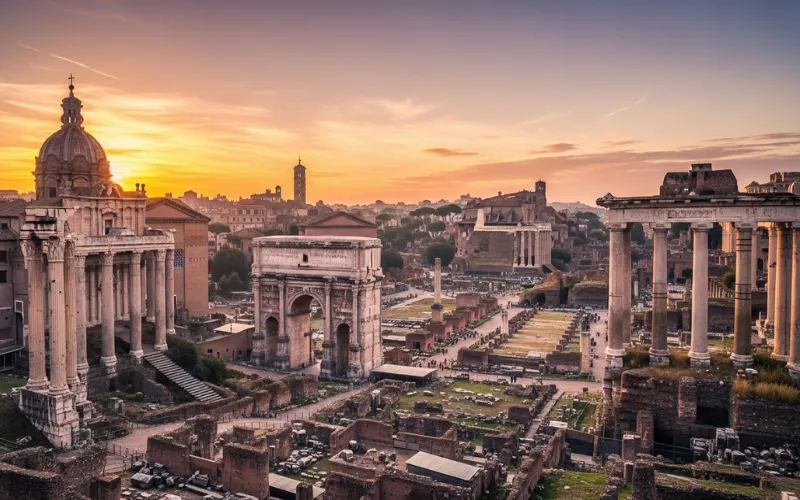
These are included in your Colosseum ticket so there is no use missing them. The political and social centre of the empire was the Roman Forum. As one passes the Via Sacra along the Temple of Saturn, the Arch of Titus, and the Basilica of Maxentius, one gets the impression of being in a history book.
Palatine hill, which is directly above the suspension point of the forums, is the place where one would get some of the best views in Rome. The Farnese Gardens have a view of the whole of the Forum, and on bright days you can see to the dome of St. Peter. Allot 2.5 to 3 hours each to the two sites.
When you upgrade to the Full Experience ticket you also get SUPER sites. These are House of Augustus whose frescoes have been well kept and Domus Tiberiana which has been closed down before opening back after 50 years.
The Pantheon
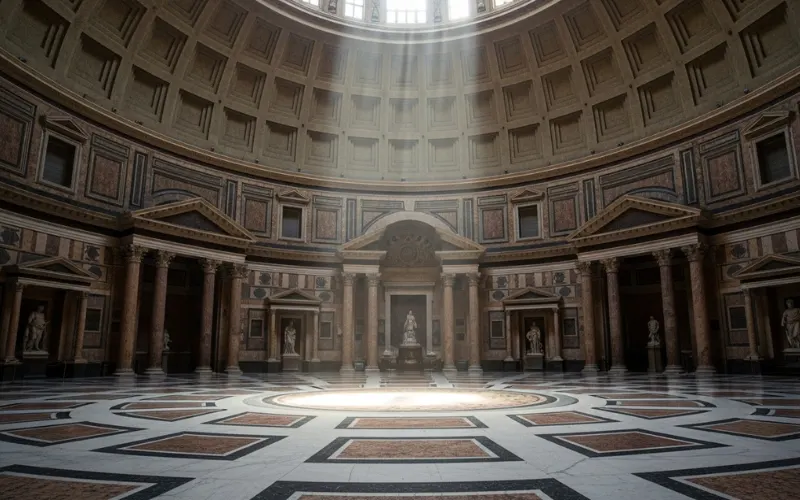
The Pantheon is the most ancient building still standing in the ancient Rome and all it takes is one walk in and you will be breathless. The dome is 43.3 meters in diameter and it is the largest unreinforced concrete dome ever built. And it has been close to 2,000 years.
Adults now pay €5 for adults at the entrance (free previously in July 2023). Citizens of the EU between 18 and 25 years old are charged at the price of EU 2 whilst children under the age of 18 are free. Purchase tickets in museiitaliani.it. One thing to keep in mind: credit cards not of European origin usually do not work on the site, therefore you should rely on PayPal as a workaround.
Go at noon to observe the well-known light beam streaming through the oculus which is the 8.7 meter hole on top of the dome. It is the only source of light in the building, and the rain does fall. It is handled by tiny drainage holes on the marble floor. There is also the tomb of Raphael.
New for late 2025: The Beyond the Pantheon (Oltre il Pantheon) experience has opened adjacent to the Basilica of Neptune, giving people an unprecedented view of the Basilica in modern times. This backdrop behind the Pantheon is virtually what no other Rome traveling guide talks about. It is a true undiscovered treasure to be included in your visit.
Vatican City and Religious Sites
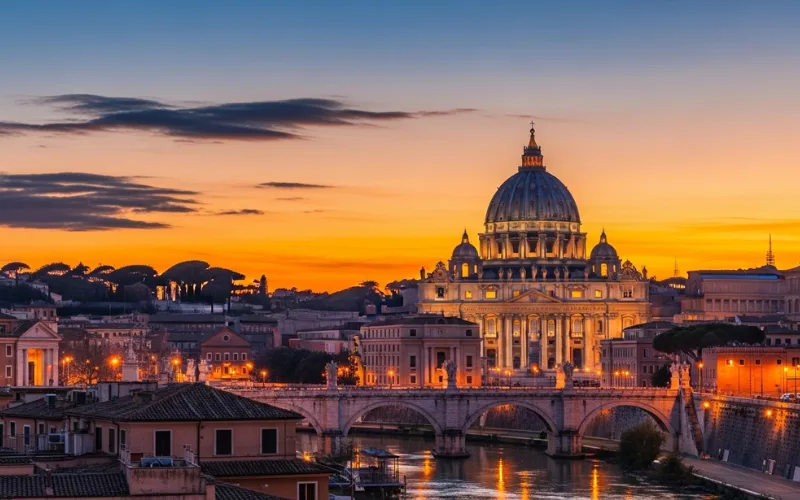
The Vatican City is a country in itself but it is located in the center of Rome. These landmarks of Rome Italy are visited by millions of people annually with a reason.
Vatican Museums and Sistine Chapel
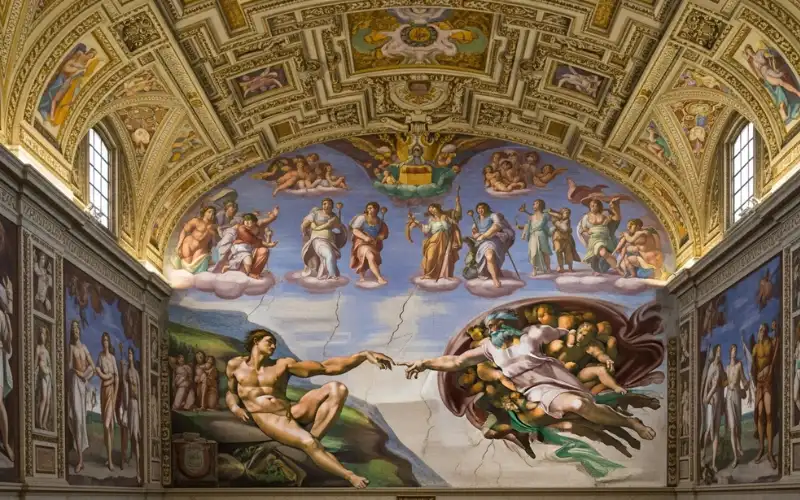
Normal adult tickets are €20 on site or €25 online either at the venue or at the online booking price of 25 (the 5 extra are a booking fee that saves you 1-2 hours in line up). The museums operate on weekdays between Monday and Saturday, 8:00 AM to 8: 00 PM. The last Sunday of every month is free, but expect massive crowds.
Significant 2026 renovation: The Last Judgment fresco on the Sistine Chapel altar wall was undergoing maintenance in early 2026, with the installation of scaffolding on the wall. The chapel remains open, although the painting can be partially covered. Check your status before you leave.
Pro tip: Reserving the 8:00 AM first entrance ticket and going directly to the Raphael Rooms and Sistine Chapel before the crowds is the best way to see them. Other guided tours offer an exclusive route inside the Sistine Chapel, which leads to the Basilica without having to pass through the long security line.
St. Peter’s Basilica
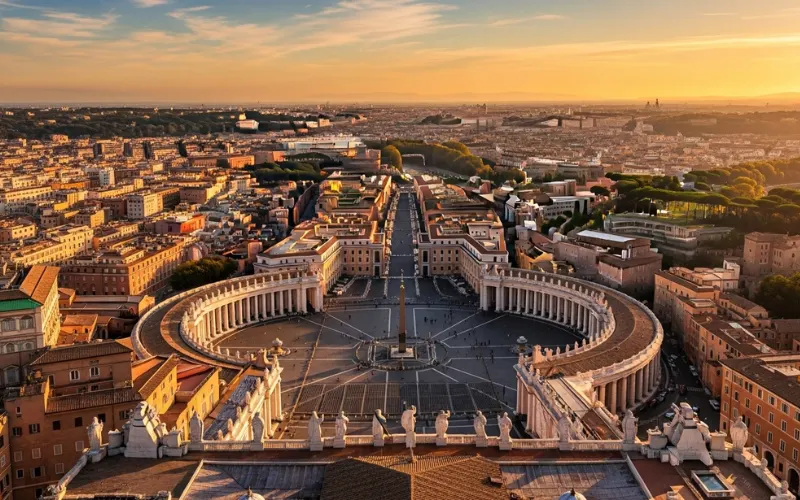
Admission into the largest church in the world is completely free. Security line may take between 30 and 90 minutes during peak periods so turn up ahead of time. Looking in, not to be overlooked are the Pieta of Michelangelo, close to the entrance, the colossal bronze Baldachin, designed by Bernini, over the papal altar, and the Vatican Grottoes, beneath.
It is very expensive to climb the dome, maybe ranging between €8 to €10 with and without the first part by the elevator as you need to walk 551 steps to the top of the dome. The last part is the last stretch which includes narrow spiral staircases which are not very pleasant in case one is claustrophobic. However, the seeing view at the top is among the best sights in Rome.
Dressing code warning: Men and women should have their shoulders and knees covered. St. The stricter is Peter, compared to most churches, and long pants are required in particular by men. There are hundreds of visitors who are turned away on a daily basis. Bring a light scarf or a shawl.
Castel Sant’Angelo
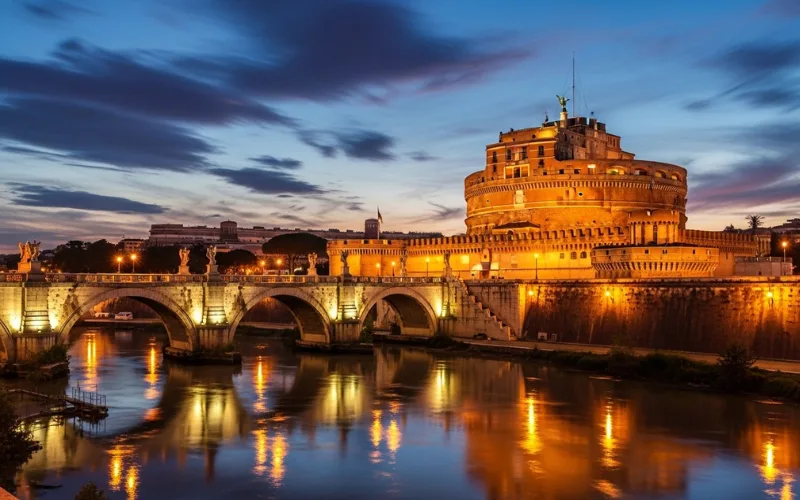
Initially constructed as the mausoleum of Emperor Hadrian in 139 AD, this cylindric castle was used as a papal castle, jail and a military citadel. The price of tickets is 15 (2 to EU citizens, 18 to 25). The roof top terrace is one of the best places in Rome to have the 360 degree view where one can see directly opposite it, on St. Peter dome.
In summer, the castle is even open late (midnight on Thursday through Sunday). Inquire about special tours of the Passetto di Borgo the mysterious 800 meter elevated walkway which links the castle with Vatican City. Popes used it to run out in sieges. The walk across the beautiful Ponte Sant’Angelo, lined with the angel sculptures of Bernini, is only 10 minutes between the St. Peter square and the building.
Famous Piazzas and Fountains
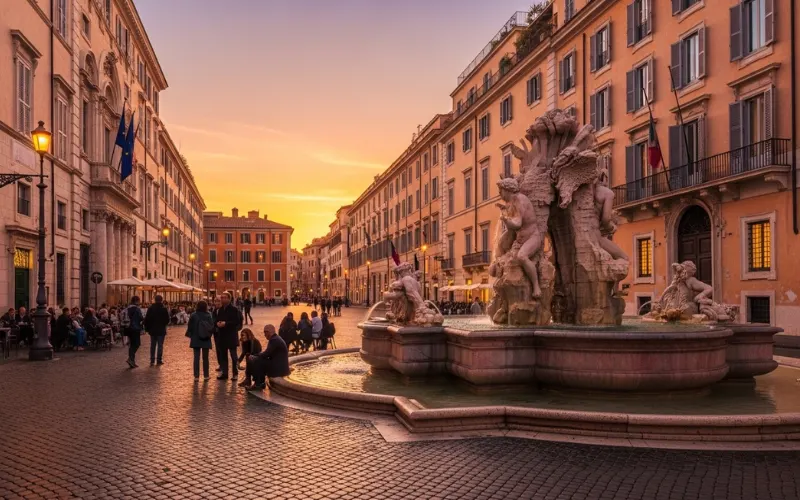
The piazzas in Rome are living rooms that are situated outside the homes. These are free squares and fountains and are ideal to enjoy and sightseeing in Rome at a slow pace.
Trevi Fountain
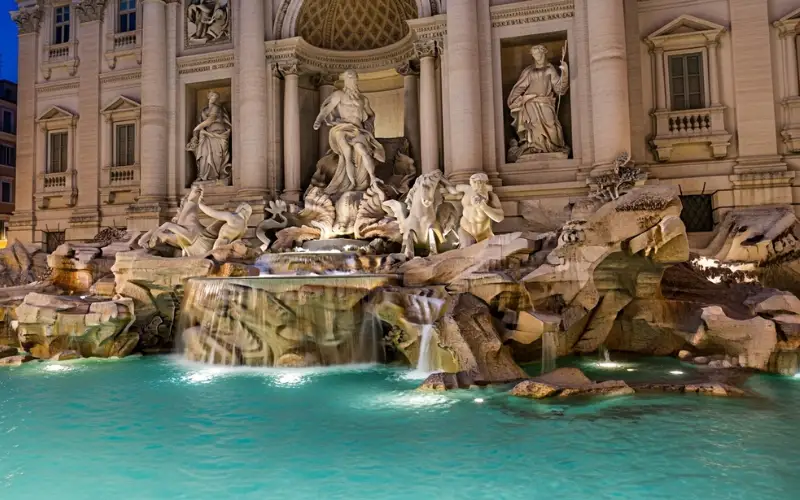
The Trevi Fountain represents the most well-known fountain in Rome, and a visit to the fountain in 2026 will be different. An entry fee was introduced to access the basin level viewing area in front of the fountain itself on February 2, 2026, which included entry to that area. The piazza surrounding is free.
The ticketed hours are between 9.00 AM and 10.00 PM which cover most days (11.30 AM on Monday and Friday). Payment is card only. This is the insider trick: after 10:00 PM, the barriers come down and access is completely free. The fountain appears to be beautiful when lit at night and the crowds reduce significantly.
Take a coin and toss it on your left shoulder using your right hand in tradition. One, you will go back to Rome, two, you will get love, and three, your marriage. The coins raise approximately 1.5 million a year, which are contributed to charity.
Spanish Steps
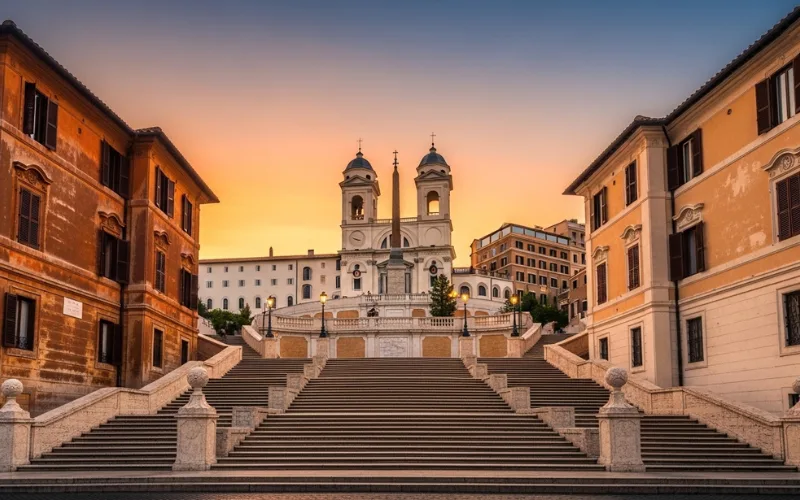
The 136 travertine staircases along the way of Piazza di Spagna to the Trinita degli Monti church are exquisite. However, as a word of caution, sitting on the Spanish Steps is banned. Financial penalties of fines up to 250 or above are actively enforced by the police. Walking with and taking pictures, but no sitting, eating, or drinking.
Go at sunrise to get soft light and steps that are empty, and go after dark to get beautiful light. The panoramic views are available at the top and one can enter the Villa Borghese gardens directly. Via Condotti is the most superior luxury shopping street in Rome and is located at the bottom with Gucci, Prada and Bulgari.
Piazza Navona
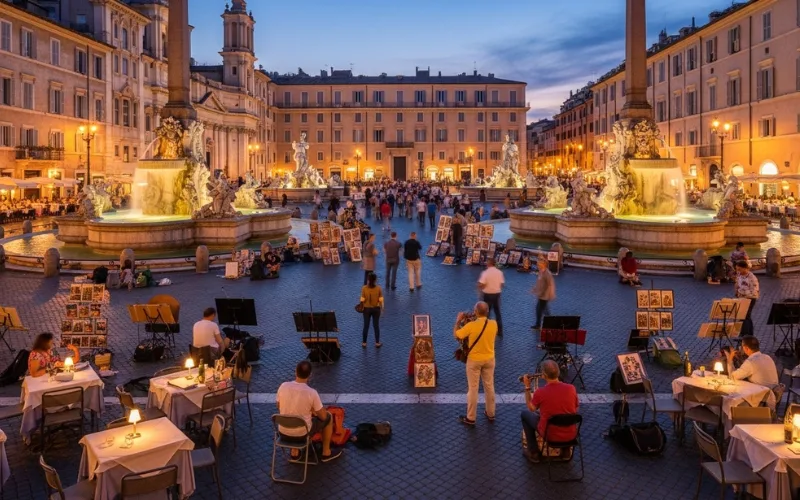
Piazza Navona is one of the most beautiful squares in Rome, being constructed to replace a 1 st century Roman stadium (it is now possible to understand the shape of the oval). The Fountain of the Four Rivers by Bernini takes centre stage, with four god figures of rivers Nile, Danube, Ganges, and Rio de la Plata, crowned with an obelisk of ancient Egyptian origin.
The piazza is open and free 24 hours. The Pantheon is close to the Colosseum by a walk of 5 minutes, and it is thus easy to visit both. Go in the evening or during dark when the fountains are lit and the street entertainers occupy the area. It has the largest Christmas market in Rome in the month of December.
Campo de’ Fiori
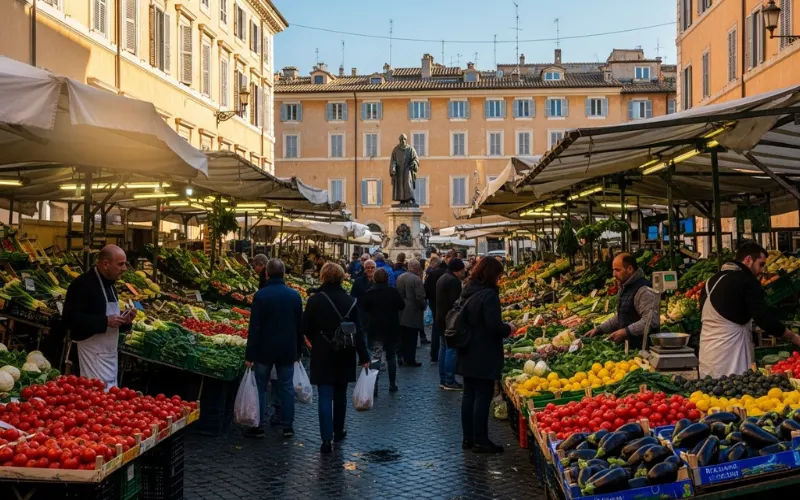
This vibrant square has a morning market every Monday to Saturday between 7:00 AM and 2:00 PM where fresh produce, flowers, spices, and artisanal goods are sold. It is the sole historic central square of Rome which lacks a church. The statue of Giordano Bruno in the middle is made out of bronze and indicates the spot where the philosopher was burnt in 1600 due to heresy.
Campo de’ fiori is one of the busiest nightlife areas in Rome, especially in the evenings. Get pizza bianca at Forno Campo de’ Fiori by day, and then go back by evening to have drinks and people watch. The Pantheon is within a 7 minutes distance and it is situated just between Piazza Navona and Trastevere.
Catacombs of Rome
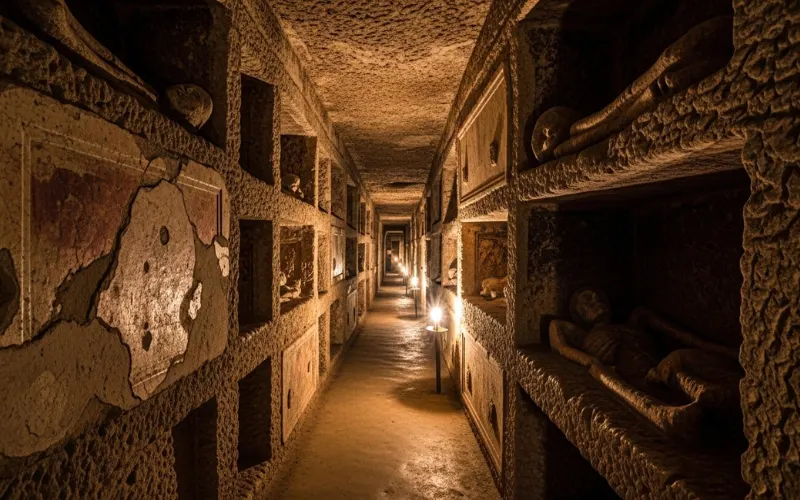
The total area of underground burial tunnels under Rome is hundreds of kilometers long. There are four catacombs where visitors can take a guided tour of between 30-40 minutes. Each site is approximately 10 Euros per person.
The best experience all around is the Catacombs of Domitilla which have underground basilica and frescoes that are well maintained. The Catacombs of San Callisto are the most extensive with 20 kilometers of tunnels and place of burial of 16 popes. They both are located on the Appian Way, which is easy to combine with a bike ride.
The Appian Way
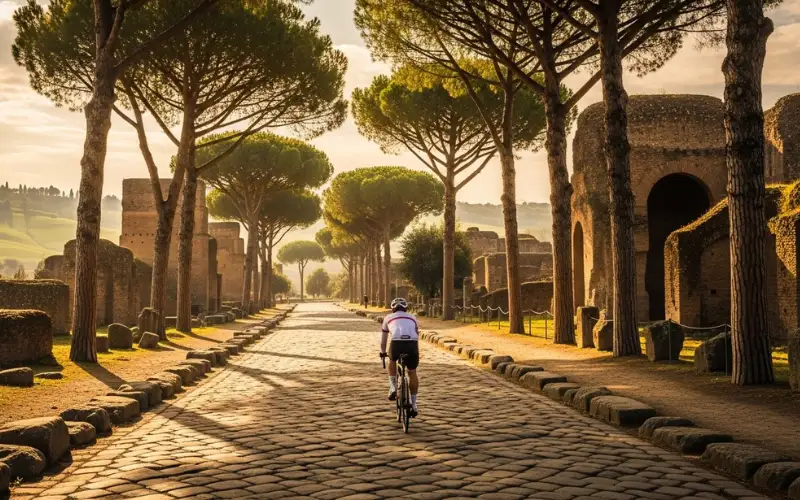
Via Appia Antica is one of the most significant ancient Roman roads that was constructed in 312 BC, and today is an archaeological park. It is most explored by bikes. Rent eco bikes at EcoBike Roma within the park (highly recommended because of its cobblestones). There is a simple ride that is around 8 kilometers where it goes through tombs, ruins and countryside.
Go on a Sunday when the road is not open to vehicles thus quiet and safe to ride. The Tomb of Cecilia Metella and Villa dei Quintili is included in the Appia Antica Card (€8, 3 days). It is an entirely other face of Rome that the majority of tourists are never able to see.
Art Museums and Galleries
Borghese Gallery
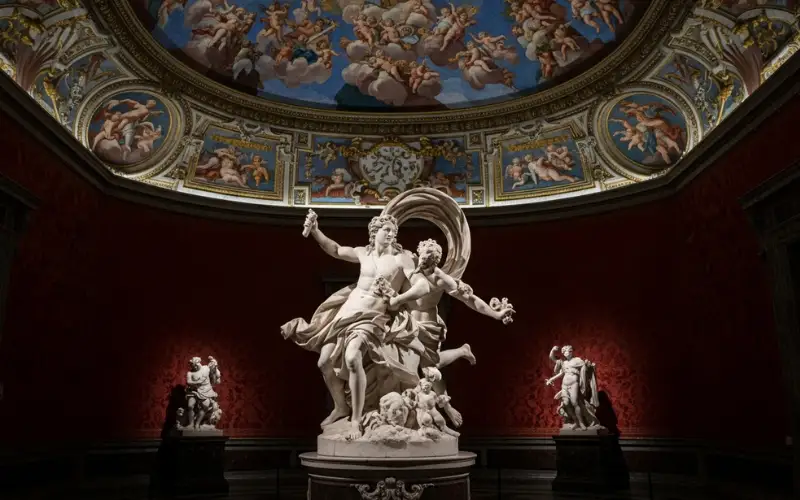
Barghese gallery can be considered one of the best things to do in Rome as an art lover. However, here is the trick, booking is obligatory without exceptions. The number of people that can visit is restricted to 2-hour time slots of 360 people at a time.
On the official site, tickets were approximately between €13 to €17 with a 2 euros reservation fee. 3-4 months in advance to peak season. When the official site indicates sold out, third party platforms such as Tiqets or GetYourGuide should be considered, or it is always possible to book a guided tour, which can hardly be sold out.
Therein hangs the Apollo and Daphne of Bernini, the David of Canova the Head of Goliath, and the sculpture of Pauline Bonaparte of Caravaggio. It is a small museum, and the quality to the square meter is unsurpassed. The last hour of 5.00 PM would be the least difficult one to book.
Capitoline Museums and Hidden Gems
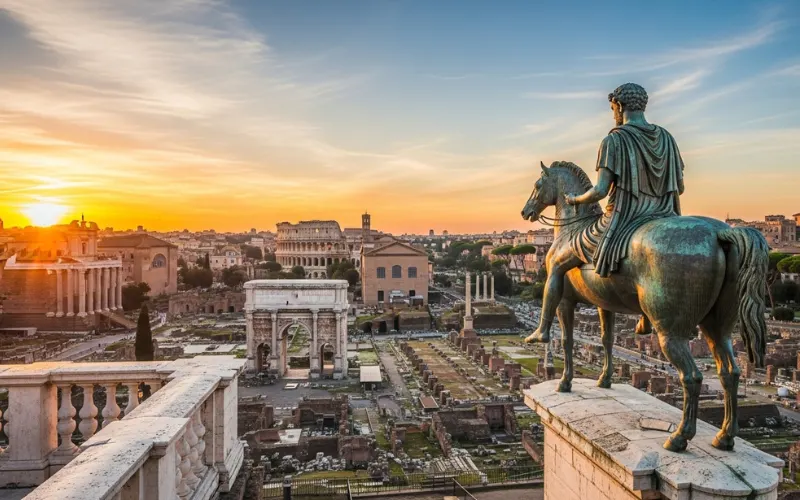
The original Capitoline Wolf sculpture and the Dying Gaul are located in the Capitoline Museums, located on Piazza del Campidoglio. Tickets cost about €15. To experience the atmosphere without so many people around, go to Galleria Doria Pamphilj and admire the beautiful portrait of Pope Innocent X painted by Velasquez, or get to the Basilica di San Clemente and explore three centuries of history arranged in three layers one over the other.
In January 2026, the Photography Pavilion at the Mattatoio site was inaugurated, the first large-scale photography center to be opened by the city of Rome. Another museum that is worth visiting in Rome is the museum of contemporary art, known as the Mazzuccato, or Mazzuccato, in English.
Best Neighborhoods to Explore in Rome
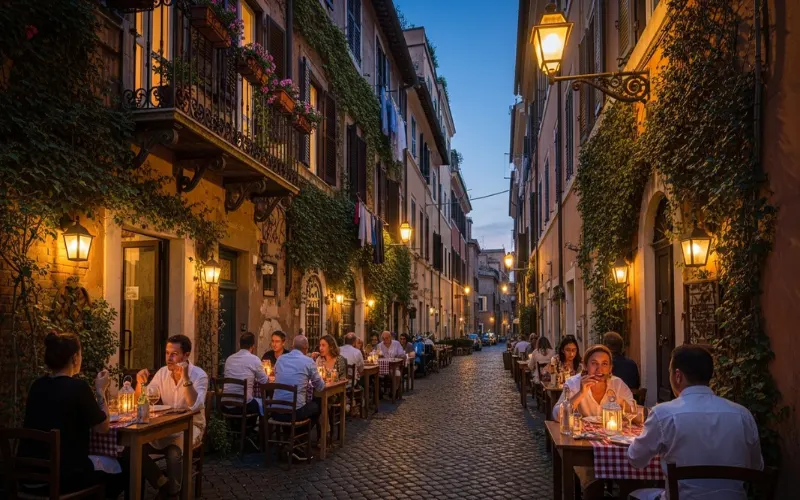
Among the Rome travel tips that I can recommend, I should mention the following: do not simply check monuments. Wander the neighborhoods. All of them possess their personality, cuisine, and rhythm.
| Neighborhood | Known For | Best For | Vibe |
| Centro Storico | Pantheon, Trevi, Piazza Navona | First time visitors | Iconic, busy, walkable |
| Trastevere | Best restaurants, nightlife, charm | Foodies, couples | Bohemian, lively at night |
| Monti | Vintage shops, wine bars, Colosseum access | Culture seekers | Trendy, artsy, local |
| Testaccio | Authentic Roman cuisine, local life | Foodies, budget travelers | Gritty, real, delicious |
| Prati | Vatican access, safe, elegant | Families, Vatican visits | Quiet, upscale, residential |
| Aventine Hill | Keyhole view, Orange Garden, peace | Couples, photographers | Romantic, serene, scenic |
Trastevere
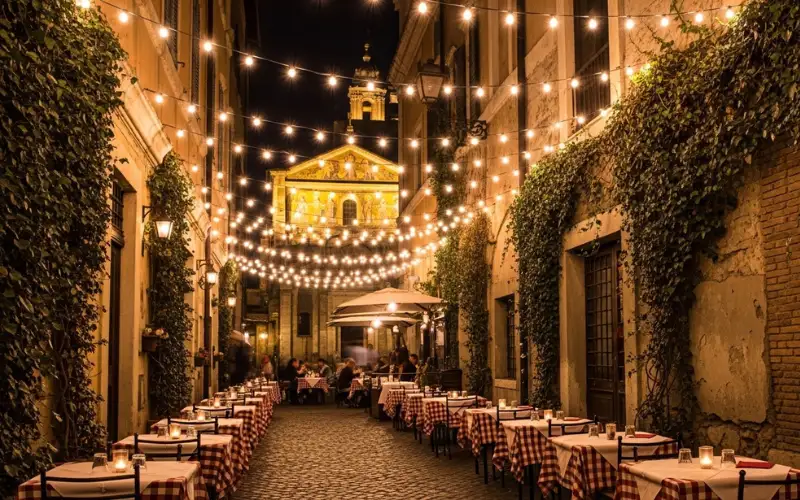
In case you have time to visit only one district other than the core tourist attractions in Rome, visit Trastevere. Here, ivy-covered facades are lining small cobblestone lanes, there are fairy lights between the houses and all other doors further lead to a trattoria that has been in business forever.
See the Basilica di Santa Maria in Trastevere with its golden dome mosaics (it is free to visit). Go up Gianicolo hill during sunset to perhaps the Rome’s best panoramic view.. Then stay for dinner. Trapizzino, Tonnarello, and da Enzo al 29 are all fine. In the night take drinks in Freni e Frizioni or rough-and-tumble Bar San Calisto.
Monti and Testaccio
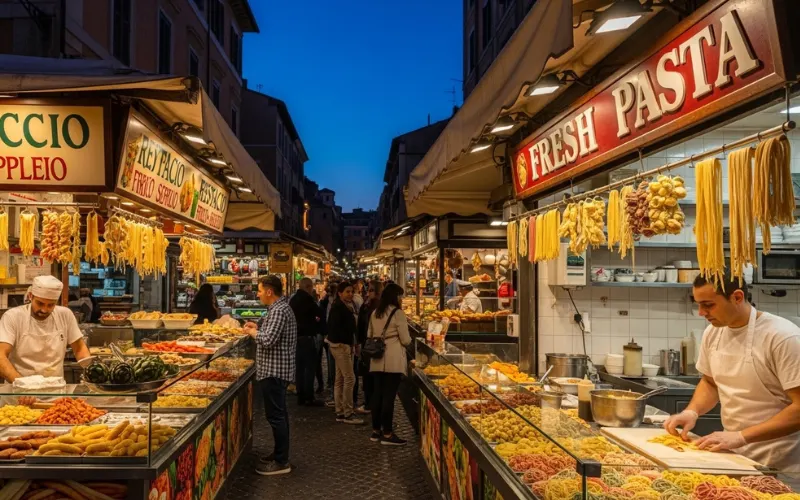
The Monti is the oldest and converted the most fashionable neighbourhood of Rome. It is directly adjacent to the Colosseum yet a million miles apart in ambience with the tourist masses. Its streets are lined with vintage boutiques, craft cocktail bars, and superior small restaurants. It suits a night walk after having sightseen in Rome.
Testaccio, that is where Romans dine. The birthplace of nose to tail cooking and the origin of such dishes as coda alla vaccinara (oxtail stew), this is a working class neighborhood. Take a stroll at the Testaccio Market, which serves as a place of street food, and take a stroll at the Protestant Cemetery where Keats and Shelley are interred. The cost of running hotels here is 30-40 percent of Centro Storico.
The Aventine Keyhole and Orange Garden
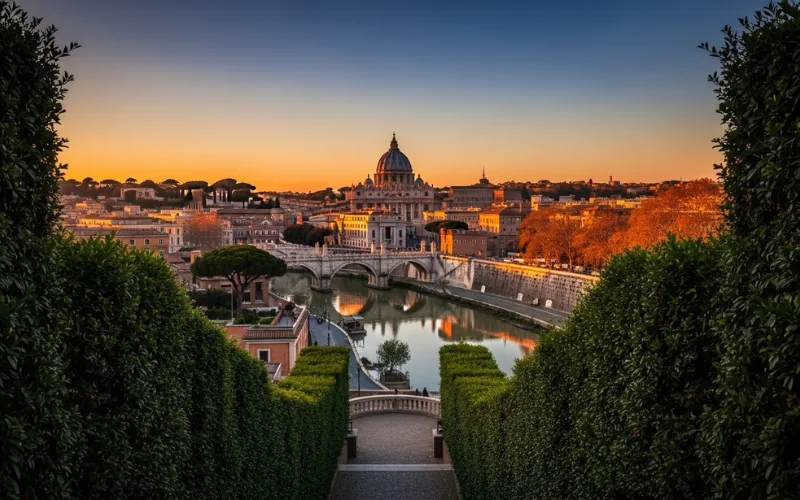
Go to the Aventine Hill, Piazza dei Cavalieri di Malta 3 and peer through a small keyhole in a door, which is of green. A corridor of hedges will give you a perfect view of St. Peter dome technically between three countries: Italy, the territory of the Knights of Malta, and the Vatican City.
It is entirely free but there are long queues of a duration of 30 to 60 minutes post mid morning. Be at the office before 9:00 AM to avoid waiting. Then take a 2-minute stroll to the Giardino degli Aranci (Orange Garden) to have panoramic views of the Tiber and the city. It is a peaceful and one of the most hidden gems in Rome.
Where to Eat in Rome
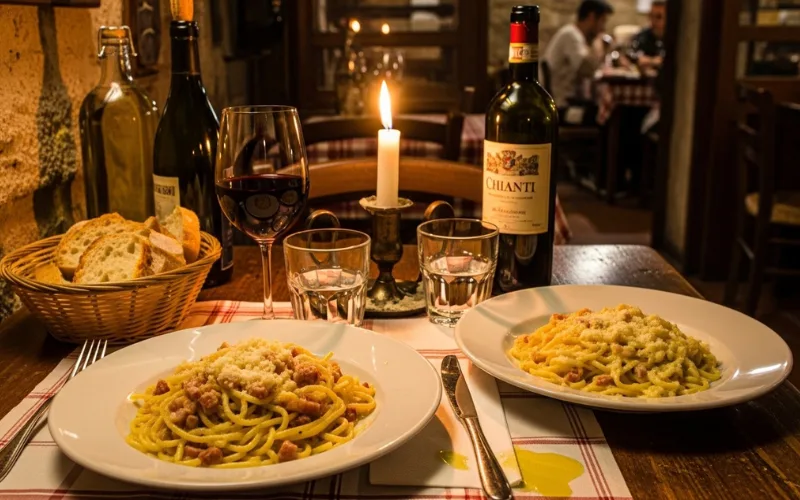
Roman cuisine is uncomplicated, gutsy, and ingredient based. It is here what to eat in Rome and where to get the best.
The Four Important Roman Pastas
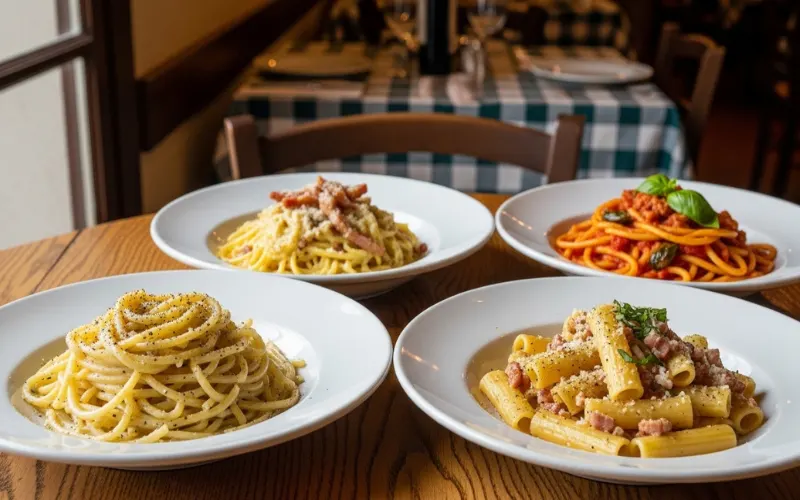
Cacio e pepe is a combination of three ingredients, tonnarelli pasta, Pecorino Romano cheese and black pepper that is emulsified with starch pasta water to make a smooth sauce. No cream, no butter. Have it in Felice a Testaccio or Roma Sparita in Trastevere where they are served in a bowl of edible cheese.
Carbonara is yolk of eggs, guanciale (cured pork cheek, never bacon), Pecorino, and black pepper. The creaminess is all the eggs have to provide. Roscioli Salumeria and Luciano Cucina Italiana on and around Campo de’ Fiori both serve excellent versions.
Amatriciana is a very strong tomato sauce that is added to guanciale and Pecorino on bucatini pasta. Cesare al Casaletto and Perilli a Testaccio are the best suggestions. And gricia, which is the predecessor of both carbonara and amatriciana, removes it to nothing more than guanciale and Pecorino over no egg or tomato.
Pizza, Gelato, and Street Food

In the case of pizza al taglio (rectangular pizza sold by weight), Bonci Pizzaram outside of the Vatican is a legend. There is an anticipation of a line, and it travels quickly. Select which type of varieties you want and they will slice a piece and weigh. On round Neapolitan style pizza, go to either Dar Poeta in Trastevere or Pizzeria ai Marmi during the night (late) to get excellent thin crust pizza.
In case of gelato, natural muted colours and flat pozzetti storage are to be sought. Pistachio is bright green and that is a red flag. The best of my favorites are Come il Latte close to Piazza della Repubblica, Fatamorgana to innovative organic tastes, Gelateria del Teatro in Piazza Navona and Frigidarium where they dip your cone in chocolate free of charge. A small to medium serving will be priced between 2.50 and 4.50.
Other must eat Roman food: suppli (fried rice croquettes with elastic mozzarella), carciofi alla giudia (Ghetto-style fried artichokes, eat Nonna Betta), and maritozzo (cream filled brioche in the morning). To have a fast meal, get a slice of bianca at Forno Campo de’ Fiori.
Coffee Culture and Dining Like a Roman
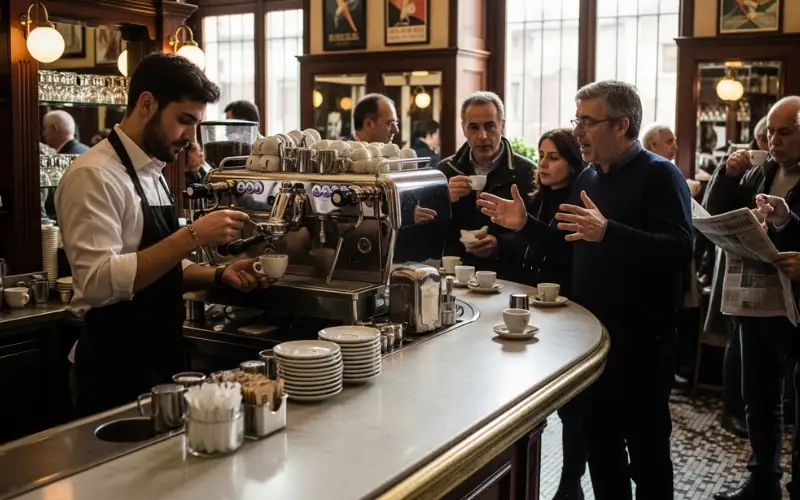
In Rome breakfast is a cornetto and espresso standing at the bar at approximately €2 to 3. It is always less expensive to stand at the counter rather than sit at a table and may cost you twice, or even more. This is not a sham, that is the way Italian cafes operate.
Aperitivo hour lasts between approximately 6.30 and 8.00 PM. Get a Spritz, Negroni or a glass of wine and most bars will have a free buffet of snacks. It is also known in Freni e Frizioni in Trastevere with their spread of aperitivo. Romans take their dinner later, 8:00 -9:00 PM, and have dinner that lasts hours. Never rush a meal.
You can fill your water bottle at thousands of nasoni, the little cast iron drinking fountains that can be found all around Rome. The water is supplied by the aqueducts and it is totally safe. With a finger held over the spout the water will splash up into a small hole left on the top to drink easily.
Getting Around Rome
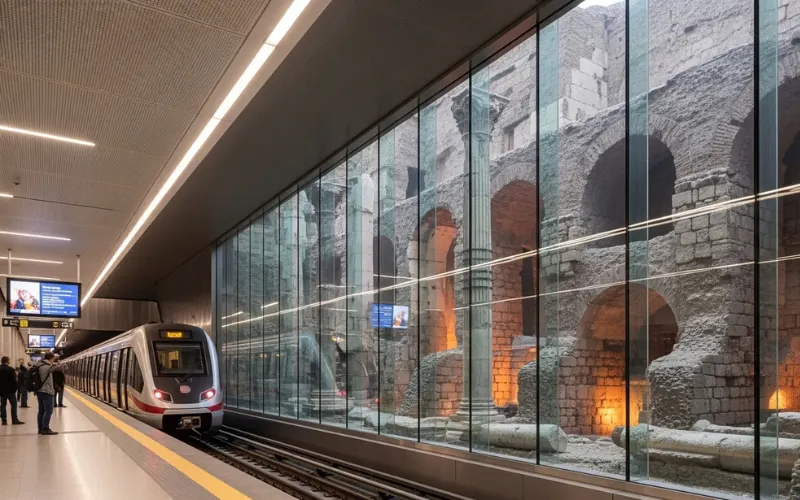
The mass transport in Rome consists of three metro lines, more than 350 bus routes and a tram network. One ride ticket will cost the user €1.50, which will allow 100 minutes on buses along with one ride on the metro. It is also possible to tap your contactless card at turnstiles.
The largest transport project in 2026 will be the new Metro Line C station at the Colosseum,, which will start operating in December 2025. It establishes a direct exchange with Line B, and it is now much easier to access the ancient sites dramatically. The station itself serves as a museum underground with glass enclosed archaeological exhibits.
Rome Transportation Quick Reference
| Pass / Ticket | Price | What You Get |
| Single ride (BIT) | €1.50 | 100 min buses + 1 metro ride |
| 24 hour pass | €7 | Unlimited metro + buses |
| 48 hour pass | €12.50 | Unlimited metro + buses |
| 72 hour pass | €18 | Unlimited metro + buses |
| Roma Pass (48h) | ~€36.50 | 1 free museum + unlimited transport + discounts |
| Roma Pass (72h) | ~€58.50 | 2 free museums + unlimited transport + discounts |
| Leonardo Express (airport) | €14 | Fiumicino to Termini in 30 min |
| Fixed rate taxi (Fiumicino) | €55 | Airport to city center, flat fee |
Is the Roma Pass worth it? Yes, when you are above 25 years old, and you have intentions to visit 2 or more paid museums and use public transport. It includes 45 or more attractions such as the Colosseum and Castel Sant’Angelo. The Vatican Museums are not in it. It is important to note that even the pass will not allow the Colosseum and Borghese Gallery to be booked together as they still need individual time slots.
To walk around in Rome: the main attractions of the historic center are less than 20 minutes apart. It is approximately 20 minutes walk between the Colosseum and Trevi Fountain. The distance to the Spanish Steps is 10 min. Pizza Navona to Pantheon is only 5 minutes.
Best Time to Visit Rome
The best time to visit Rome would be determined by the things you consider important to you. This is a month by month analysis that can be used to make your decision.
| Season | Months | Weather | Crowds | Hotel Prices |
| Winter | Jan – Feb | 8–13°C / 46–55°F | Very low | 30–40% off peak |
| Spring | Mar – May | 16–23°C / 61–73°F | Moderate to high | Moderate to high |
| Summer | Jun – Aug | 28–31°C / 82–88°F | Peak crowds | Highest prices |
| Autumn | Sep – Nov | 16–28°C / 61–82°F | Moderate, easing | Moderate, dropping |
April, May, September, and October: Pleasant weather (15 to 25 o C), manageable crowds, and affordable prices provide the sweet spot in April, May, September and October. The month of October is, perhaps the most perfect month, and the days are warm, truffle season, and there are significantly fewer tourists in the crowd.
July and August are not good except when one can cope with extreme heat. S temperatures often go to 35 C and the city is full of tourists. The most inexpensive months in hotels and flights are January and February, whereas it is colder, but Rome does not freeze much. Budget travelling to Rome is a very fine thing.
Note of 2026: Easter will be celebrated on April 5, 2026 and late March-mid April will be very hectic around Vatican City. Reserves 3 to 4 months in advance that period.
Rome Travel Tips and Mistakes to Avoid
Having discussed the best places to visit in Rome, the following tips in a practical manner are going to save your time, money and frustration.
Common Tourist Scams
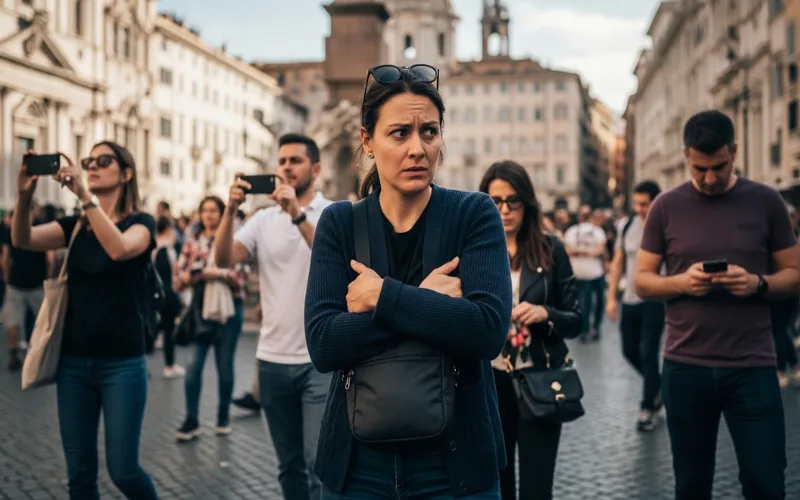
The most common one is the friendship bracelet scam. A person fastens the bracelet on your wrist, and you have to pay. Have your hands in your pockets around the Colosseum and Spanish Steps. Additional scams are fake charity petitions (thugs pick pocket you as you sign) and gladiators who demand money (at least 20) to take a photo with you without specifying what the price should be.
In 2024, there were more than 33,000 pick pocketing cases reported in Rome. Hotspots involve Bus 64, Termini Station and the overcrowded metro cars. Carry a crossbody bag on your front, divide cash in different places and go to ATM in banks only. In any case, there is extremely little violent crime in Rome.
Cultural Rules That Trip Up Tourists
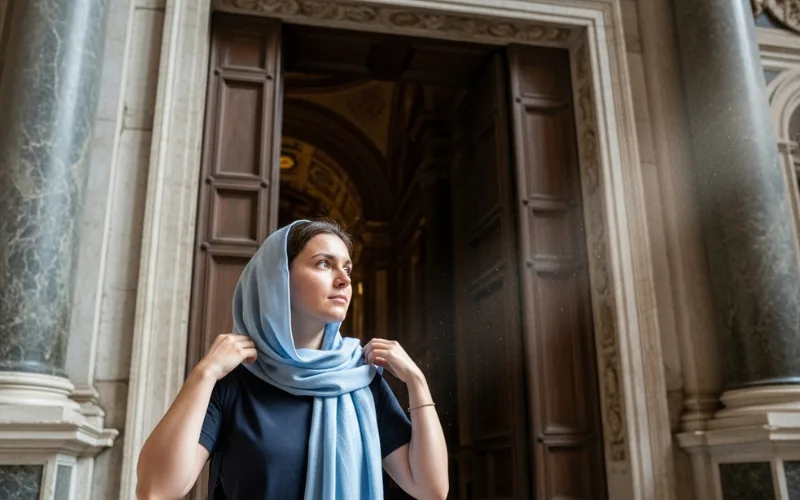
Every major church has dress codes that are applicable in churches. Keep your shoulders and knees covered. St. In Basilica of Peter, it is men-specific that long pants are needed.
Always avoid ordering cappuccino after 11,00 AM; Romans believe that this is a breakfast drink. Have post meal espresso or a macchiato. Do not request to add Parmesan to seafood pasta or cream to your carbonara. Between about 2:30 PM and 7.30pm restaurants shut down during the siesta. Romans have dinner at between 8:00 or 9:00 PM.
Italians do not expect to be tipped. It is welcome but not compulsory to leave behind €1 to €2 / person or round up. Check on bread charge: In case a basket comes on your table, and you fail to wave it off, then you will be charged between 2-4 each person.
Budget Breakdown: What Does a Trip to Rome cost?
Rome is almost any budget friendly. This is a realistic day to day budget per capita to assist you in your planning of the trip to Rome.
| Category | Budget | Mid Range | Luxury |
| Accommodation | €30–€60 (hostel) | €120–€250 (hotel) | €350–€800+ (5 star) |
| Food | €25–€40 | €50–€80 | €100–€200+ |
| Attractions | €15–€30 | €35–€60 | €60–€120 (private tours) |
| Transport | €7–€10 | €10–€20 | €30–€60 (taxis) |
| Daily Total | €77–€140 | €215–€410 | €540–€1,180+ |
Money saving tips: A lot of churches are free like the St. Peter Basilica. On the 1st Sunday of every month, the state museums and Colosseum are free. Fill your water bottle at the thousands of nasoni (public drinking fountains) of Rome. Have lunch at pizza al taglio stores (starting at 3 Euros) and leave restaurants to dinner.
Best Day Trips from Rome
These day tours will give amazing diversity to your Rome vacation even when you have more than 3 days to spend there without necessarily spending the night.
Pompeii
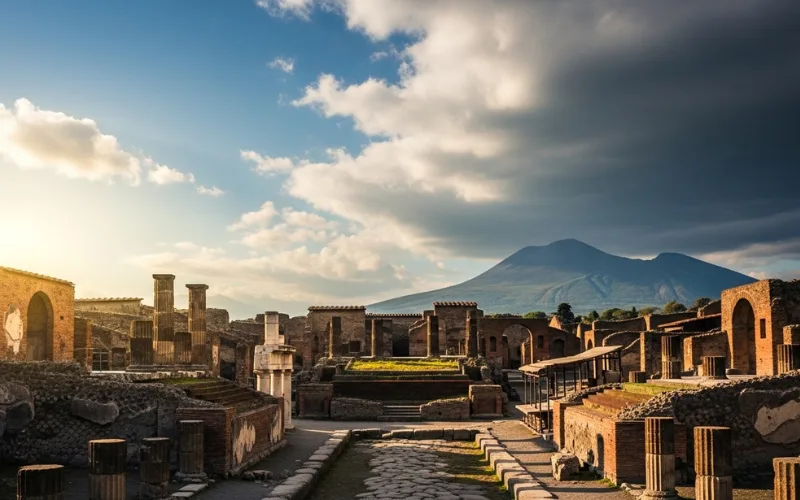
The Rome Termini high speed trains take approximately 70 minutes to stop at Naples (between 14 booked ahead). Take local Circumvesuviana train to Pompeii Scavi, which takes another 25-35 minutes and costs approximately 3.60. The journey time will take approximately 2 hours in both directions. Entry to Pompeii will be €18 and limited to 20000 people per day. Book ahead at TicketOne.it.
Leave Rome at 8:00 AM and spend the whole afternoon to sightsee the ancient city. Wear comfortable shoes and carry water since the location is huge and largely open. The major attractions are the Forum, the Villa of the Mysteries and its intact frescoes, the amphitheater and the plaster casts of the victims. It is worth visiting the ruins through a guided tour in case it is the first time.
Tivoli
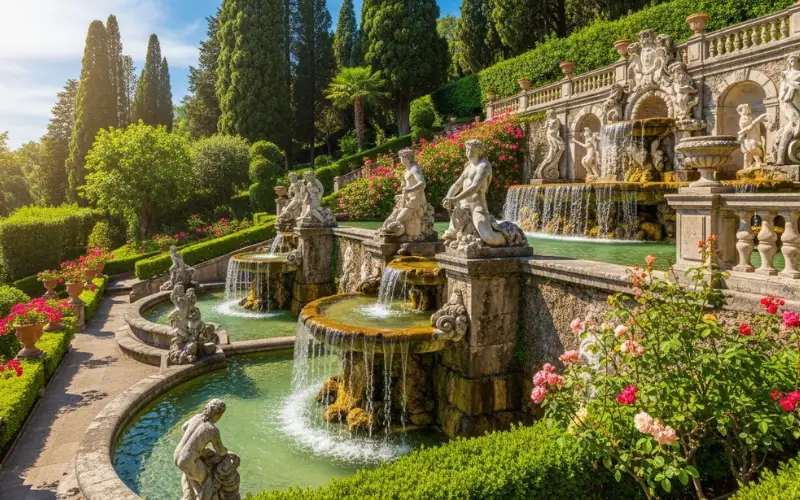
It is only 45 to 60 minutes away by regional train (round trip approximately 10 to 16 Euros) and was accessible to Rome. Villa d’Este features 500 Renaissance fountains in terraces (between 12-16 to enter). The Villa of Hadrian is a huge and 2 nd century imperial complex (€12). A combo ticket for both costs €26. In the morning start with Villa of Hadrian, lunch in the old town of Tivoli and Villa d Este in the afternoon.
Ostia Antica
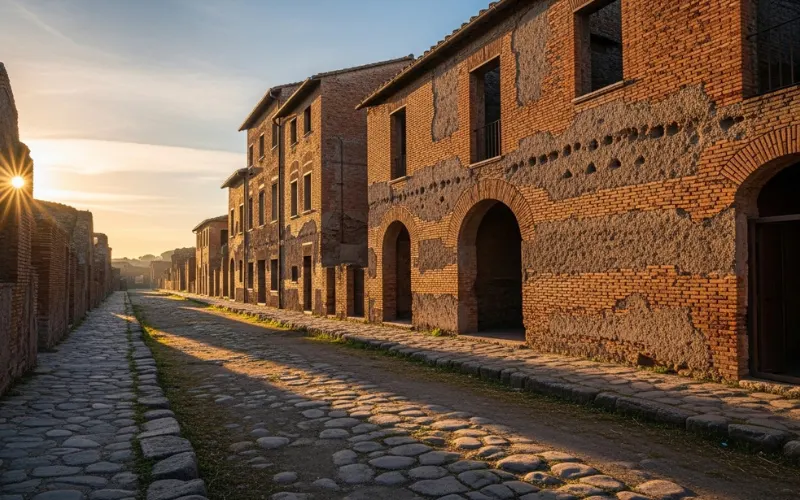
The most accessible inexpensive day trip in Rome. Use Metro Line B to Piramide, change to the Metromare train and take the ride that lasts 30 minutes. The whole trip only takes a regular 1.50 fare. It costs 18 to enter this well maintained ancient port city. It is much less congested than Pompeii and it seems like discovery. Budget a half day.
Orvieto
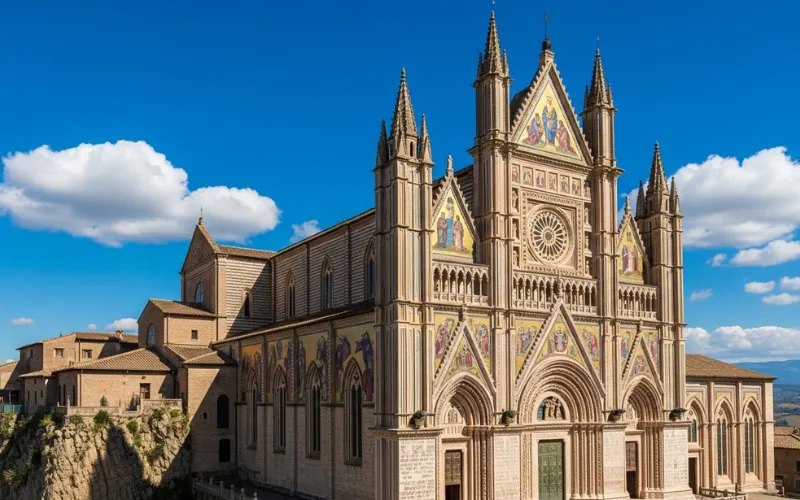
Umbria A dramatic town on a cliff top, approximately 1-1.5hour by train (€7-18) Termini. Being on the cliff, ride the funicular to the old town (costs approximately 1.50, includes a shuttle to the main square). Possess the beautiful Gothic cathedral with Signorelli frescoes, which influenced Michelangelo, the 62 meter deep Pozzo di San Patrizio well, with its two helix staircase, and the tunnels of Etruscan underground.
Orvieto is also wine country. The white Orvieto Classico is fresh and inexpensive locally. There are a number of wine bars in the old town which have a tasting. It is one of the most easy day trips to Rome, since the small town is walkable between two extremes within a span of 30 minutes.
Castelli Romani
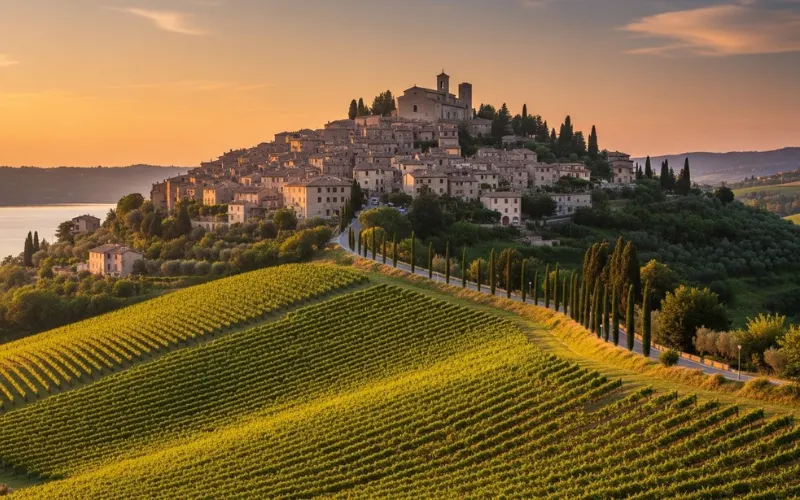
The Castelli Romani hill towns are located 30 to 40 minutes south by regional train and a quick car ride can take one to a taste of wine country in Rome without the extensive travel. The most accessible one is Frascati which is known to have white wine and a panoramic view of Rome, via Villa Aldobrandini. The previous summer residence of the Pope is on Castel Gandolfo on Lake Albano and is available on tours.
Ariccia boasts of the porchetta of the roasted herbed pork that is slowly roasted and is served in all the roadside shops and restaurants around town. With a housecar, it is easier to see several towns in a day; although Frascati is worth the slight ride on the train.
Sample 4 Day Rome Itinerary
The following is my 4 day itinerary visiting Rome on the first time. This program is a mix of the key attractions and local exploration and rest time.
Day 1: Ancient Rome
Arrive at the Colosseum (8:30 AM pre booked entry). After some 90 minutes indoors, go into the Roman Forum and Palatine hill with this same ticket. Explore for another 2 hours. Take lunch at the Monti district. Visit Capitoline Museums and pass by the Vittoriano monument in the afternoon. Spend the evening in Monti having aperitivo, and dinner in a local trattoria.
Day 2: Vatican and Trastevere
Vatican Museums at 8.00 AM (pre booked). Use 3 hours of your time inside with the Gallery of Maps, Raphael Rooms, and Sistine Chapel being the priorities. Visit St. Peter Basilica (free) and visit Pieta, Baldachin and have an option of climbing the dome and view the panorama. Best pizza al taglio in Rome at Bonci Pizzarium in Prati.
Afternoon in Castel Sant’Angelo (€15, approximately 90 minutes). Pass the beautiful Ponte Sant’Angelo bordered with the angel statues of Bernini. Stroll to Piazza Navona. Then across the river, to Trastevere, to sunset at Gianicolo hill, and dinner at Da Enzo al 29, Tonnarello, or Trapizzino. Finish off with cocktails at Freni e Frizioni.
Day 3: Piazzas, Art, and Hidden Gems
In the early morning, Trevi Fountain (when there is no ticket to spend free time and under the magical light). Tazza d Oro espresso by the Pantheon. Borghese Gallery at 9.00 AM (pre booked 2 hour slot). Take a walk in Villa Borghese gardens. Lunch at Roscioli Salumeria which is also among the best delis in Rome.
Afternoon: Pantheon (€5), and walk 3 minutes to San Luigi dei Francesi where there are three free Caravaggio paintings. Go on to Piazza Navona, Campo de introduced by Lorenzo di Caprio to Napoli, Piazza Novella, and the Jewish Ghetto, carciofi alla giudia. See visit Galleria Doria Pamphilj (€14) or Basilica di San Clemente with its three layers of history. Gelato walk in Fatamorgana or Gelateria del Teatro. Dinner at Armando al Pantheon (reservation).
Day 4: Day Trip or Intensive Exploration
Option A: Ostia Antica in the morning, and then comes back to Rome in the early afternoon to the Testaccio food scene and the sunset at the Aventine Keyhole and the Orange Garden.
Alternative B: Tivoli: Full day sightseeing in Villa Hadrians and Villa d Este. Come back to Rome to a parting dinner in whatever district was dearest of your heart.
Final Thoughts
Rome rewards the curious. The more you meander out of the highways, the more the city opens up with regards to silent piazzas, family owned trattorias, and surprises.
You should use this guide as a guide, but do not rule out spontaneity. The most pleasant events in Rome are the ones that are ready-made. Browse our other travel guides and destination guides to be inspired to travel.
Frequently Asked Questions About Visiting Rome
How many days do you need in Rome?
Three to four days is the magic number when it comes to first time visitors. That will be enough time to visit the Colosseum, Vatican Museums, Pantheon, major piazzas, and at least one of the neighborhoods, such as Trastevere, without being in a hurry. Five days would allow you to include a day trip to Pompeii or Tivoli.
What are the sightseeing destinations in Rome?
Colosseum and Roman Forum, Vatican Museums and Sistine Chapel, St. Peter Basilica, the Pantheon, Trevi Fountain and Piazza Navona are the absolute essentials. In addition to them, there are Borghese Gallery, Trastevere area, and Aventine Keyhole, which will complete a perfect Rome experience.
Is the Trevi Fountain free to visit in 2026?
The adjacent piazza is free, however, there is a fee of 2 to enter the basin level during ticketed time (typically between 9:00 AM and 10:00 PM). Past 10: 00 PM the barriers are lifted and anyone is free to enter. Payment is card only.
Is Rome expensive to visit?
Surprisingly, Rome is not very expensive. Budget travelers can survive on between €80 and 140 per day in terms of accommodation, food and sightseeing. Churches are free, water is pouring out of the public fountains all over, and even street food such as pizza al taglio is only priced at about 3 euro a plate. The cheapest months to buy the hotels and flights are between November and February.
How can I jump the queue to Colosseum?
Online booking of timed entry tickets is possible at ticketing.colosseo.it and this is done 30 days prior to the show. All the tickets are now name based and time allocated. Use entrance of Roman Forum in Via dei Fori Imperiali rather than Colosseum entrance in order to have fewer queues. Jump the line access is also available through the Roma Pass.
Which is the worst neighborhood to visit in Rome?
Centro Storico is the preferred area of first time visitors who wish to walk to all places. Trastevere would appeal to food lovers and nightlife fans. Monti is employed by cool, domestic vibrations in the areas of ancient locations. Prati is perfect in terms of families visiting Vatican. Testaccio has the purest Roman food and weaker prices.
Do you require admission to museums in the Vatican?
No technically, however standing in line without online tickets implies 1-2 hours or more of standing in line. Online ticket is available at the price of 25 (including the 5 booking fee) and is highly recommendable. The free last Sunday of every month is highly crowded.
What should I not do in Rome?
Sitting on the Spanish Steps (fines begin at 250 Euros). Do not take cappuccino later than 11.00 AM. One should not eat in restaurants right next to great monuments. Do not trust the street vendors without settling on a price. Do not touch or swim in any fountains. And do not miss the dressing code at churches.
Is the Roma Pass worth buying?
Yes, in case you intend to visit 2 or more paid museums, and get public transport. The 72 hour is approximately priced at 58.50 Euros and comprises of 2 free museums and unlimited buses and metro. It includes the Colosseum, Castel Sant’Angelo and 45 other locations. It does not address Vatican Museums.
What is new in Rome for 2026?
In December 2025, the Metro Line C Colosseo station was inaugurated. In February 2026, the Trevi Fountain also added a new charge of entry of a fee of €2. Significant Jubilee construction changes have developed new walking areas such as Piazza Pia close to the Vatican. The Beyond the Pantheon experience opened, which allowed one to access the Basilica of Neptune first time.
Can I see Rome in one day?
It is possible to see the sights within a single but sweeping day: Colosseum and Forum in the morning, Pantheon and Trevi Fountain in the afternoon, Trastevere in the evening. But you will miss a lot. Two days is a significant difference. Three or four days is far more realistic and pleasant.
When is the most appropriate time of the year to visit Rome?
The most favorable weather, number of people, and prices can be found in April, May, September, and October. The month of October is possibly the best month of all the months with pleasant weather, truff season, and a lesser number of tourists. July and August are to be avoided, unless you are a lover of excessive heat. The lowest prices and the least amount of crowds are during winter.
Read Next : 30+ Must-Visit Places in Puerto Rico You’ll Love (2026 Travel Guide)