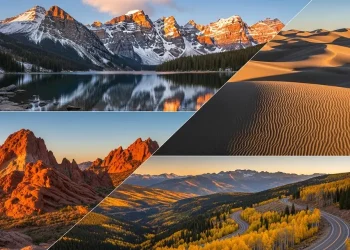
Argentina is a country that does not strike the right way. To glaciers falling on blue lakes to late steak dinners in Buenos Aires, this guide will be a bar to all the place to visit in Argentina with the real costs, local advice and none of the fluff.
You are planning a quick week or a complete month of traveling to Argentina, so I have planned everything by region to help you make the perfect trip by your budget and schedule.
Argentina: Why It Should be on Your Travel List
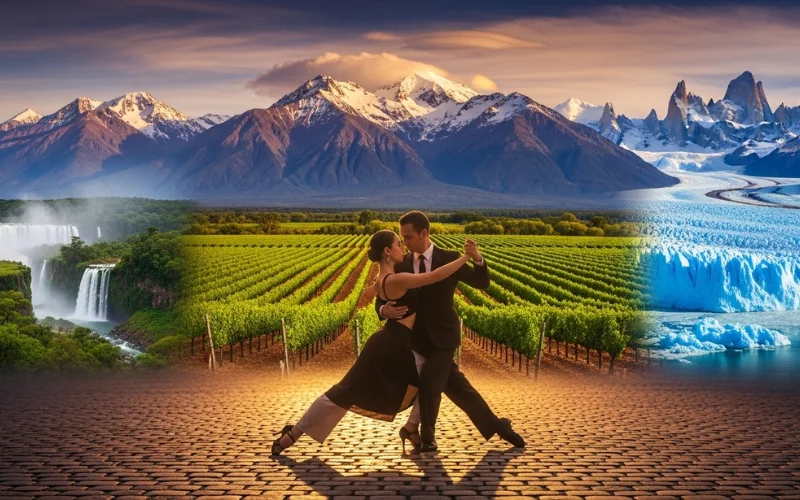 The majority of the world associates Argentina with steak and tango. And sure, both are incredible. However, this nation is as long as subtropical jungles along the Brazilian borders to the glacier wilderness along the Antarctica borders. That variety of options implies that you can stuff as many wildly disparate experiences into one Argentina vacation as you can.
International visitors are also surprisingly treated kindly on the cost of travel here. Your dollar goes a long way in Argentina, particularly in the northwest and the central parts of the country as compared to Chile or Brazil. Add to this; visa free entry to most Western nations, hospitable locals, and the fact that much of the most beautiful places in Argentina is totally free to hike and you have got yourself a trip that is going to provide serious values.
The Best Time to Visit Argentina (By Regions)
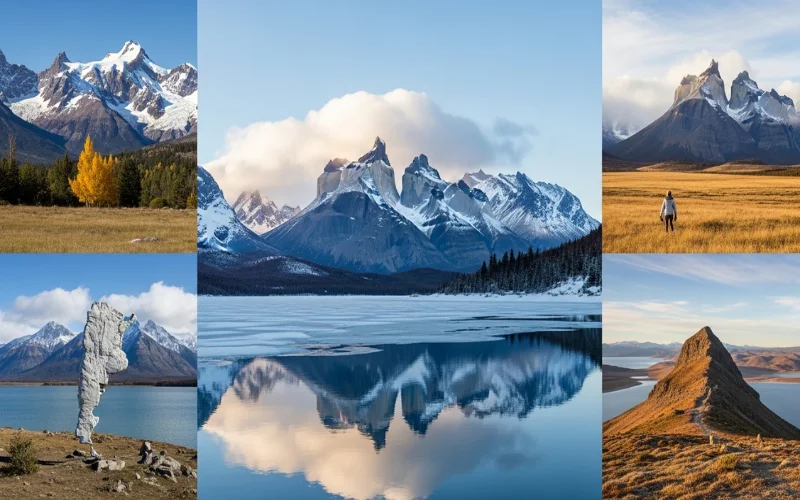 Bad timing can get you stuck in the Patagonia on a road that has been closed, or in heat in Buenos Aires. This is a region by region breakdown to plan smart.
| Region | Best Months | Avoid | Avg Temp | Quick Notes |
| Buenos Aires | Sep to Nov, Mar to May | Jan to Feb (humid) | 17 to 24°C | August brings the Tango Festival |
| Patagonia (El Calafate, El Chalten) | Dec to Feb | Jun to Aug (roads close) | 10 to 21°C | Up to 18 hrs daylight in summer |
| Northwest (Salta, Jujuy) | Apr to Nov | Dec to Mar (rainy) | ~17°C year round | September is ideal for hiking |
| Mendoza Wine Country | Mar to May | Mid summer (extreme heat) | Low 20s°C | Vendimia Festival in Feb to Mar |
| Iguazu Falls | Year round | None really | ~22°C | Apr to Sep for fewer crowds |
| Ushuaia | Dec to Mar | May to Aug | 5 to 14°C | Antarctica cruise season Nov to Mar |
| Bariloche Lake District | Dec to Feb (summer), Jun to Sep (skiing) | None | Varies | True year round destination |
| Peninsula Valdes | Jun to Dec (whales), Sep to Mar (penguins) | None | 10 to 20°C | Peak whale watching Sep to Oct |
In case you are on a large circuit and you want to make various stops, October-November is the most appropriate. The weather in the spring over the majority of the country, this is during the time of year that there are not as many tourists as there are during December and the prices have not yet soared into peak season.
Essential Travel Info You Need Before Visiting Argentina
This is where the greatest number of travel blogs fail miserably. They name beautiful spots but do not mention the things that save money and headaches on the ground. Not here.
Visa and Entry Requirements for Argentina
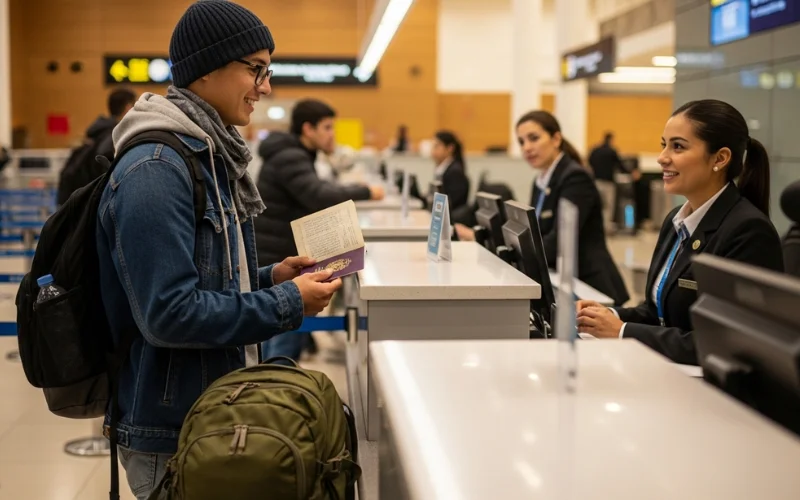 Good news for most travelers. The US, EU, UK, Canada and Australia have a visa free for 90 days. The reciprocity fees that were formerly costing Americans $160 have been abolished forever. All you do is present with a genuine passport and you are in.
Planning to work remotely? Argentina also has a 180-day digital nomad visa with an option of 360 days. It is approximately 117-200 dollars, and your income in Argentina remains tax free. A significant change: in July 2025, all travelers to Argentina will be required to have health insurance. Pre-flight budget.
Understanding Money, Currency, and the Blue Dollar
 The currency situation in Argentina was very chaotic. The parallel markets, known as the blue dollar, brought about a massive disparity with the official and actual exchange rates. By the end of 2025, this difference has been reduced by a wide margin following the adjustment of the policy with the official rate being close to 1,450 ARS per USD.
The best option that you can now is to use a foreign Visa or Master card card to pay whenever you can. Payments made with cards exchange at the MEP rate, which is near to blue dollar and much improved to the ATM withdrawals. In case you carry cash, make sure you carry clean US $100 bills to change hands in Calle Florida in Buenos Aires. Never use the airport exchange booths.
Getting Around Argentina
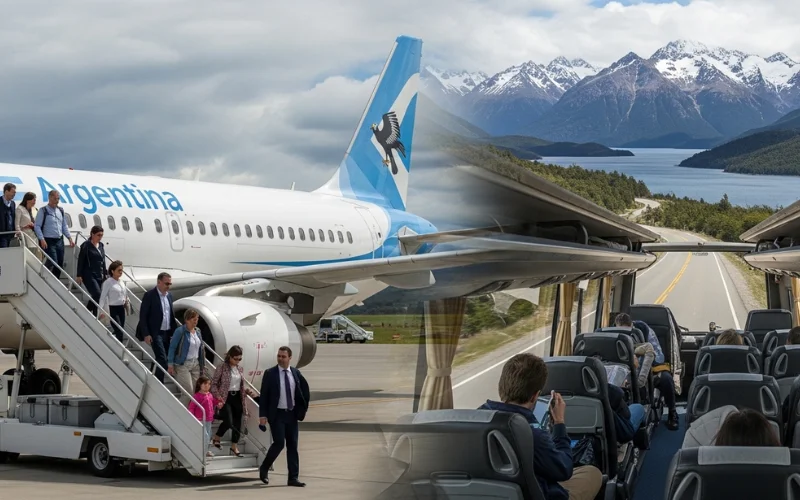 Argentina is huge and internal flights are your friend when it comes to long distances. The cost of a round trip flight between Buenos Aires, to El Calafate is approximated at 230 USD and between Buenos Aires and Bariloche USD 130. Most of the routes are covered by low-cost airlines JetSmart and FlyBondi, though JetSmart is more likely to be reliable when it comes to delays.
There are long distance buses which are comfortable and cheap. A bus ride between Mendoza and Salta would cost about 24 dollars in a semi sleeper (semi cama) seat. In the Lake District and other areas of the northwest, a rental car will start at approximately 20 dollars per day, and it will allow you to explore smaller towns and more picturesque routes such as the highly-known Seven Lakes Road. In case you are up to know how to plan smarter trips on a budget, it is easier to consider Argentina as the country with low transport costs than most South American countries.
Safety Tips That Actually Matter
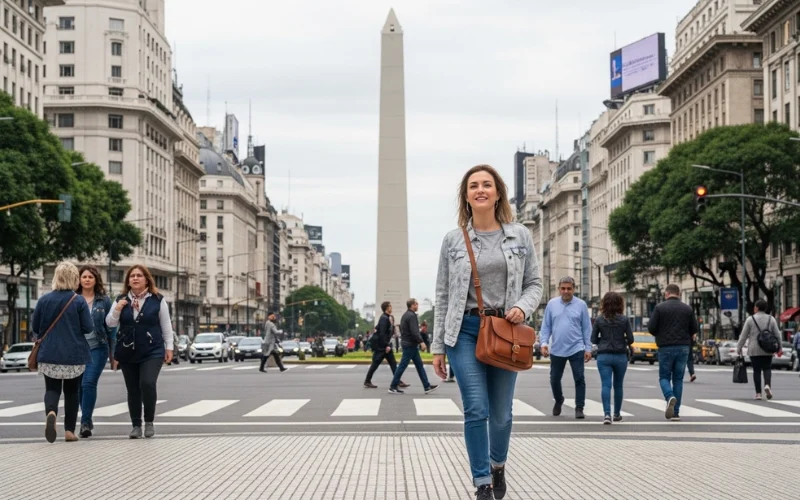 Let me be real with you. Most people have a misconception about Argentina. It is placed 46 th on the 2025 Global Peace Index which is relatively safer than the United States. Homicide rate is 4.4 per 100,000, and much lower than the Latin American average.
With that said, petty theft does exist in Buenos Aires. Be aware of the age old mustard scam in the area of Obelisco and Recoleta where a person sprays you on the back and a friend cleanses you off and steals your wallet. The motorcycle snatchers (motochorros) attack phones and bags in tourist locations. Keep your phone in the front pocket of your jeans or in a crossbody bag. Do not walk further than the tourist strip of Caminito after dark, and do not walk to Retiro station after dark. In Buenos Aires, it has tourist police, which can be contacted at 101 24 hours a day.
Top 20 Places to Visit in Argentina (Organized by Region)
It is here that we enter into the good stuff. These Argentina travel destinations have been divided by region so that you can plan a route that literally makes sense rather than jumping on the map.
Buenos Aires: The City That Never Sleeps (Literally)
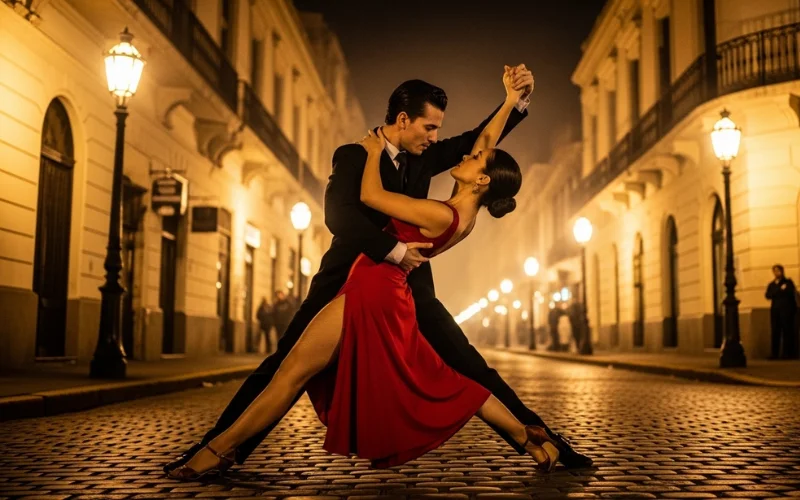 Any list of things to do in Argentina does not begin anywhere. Buenos Aires is energetic, overpowering, lovely and sometimes turbulent. The areas in these neighborhoods are like other cities. Palermo is everything tree lined and craft cocktail bars. San Telmo has a huge Sunday antiques market which occupies blocks. In Recoleta there is the renowned cemetery, which houses the grave of Eva Peron.
Go beyond the obvious though. See the underground tunnels of Visit El Zanjon de Granados built in the 1700s underneath a renovated mansion to watch a futbol match that will be a memory of a lifetime. Take a meal in a home based restaurant known as a puerta cerrada (closed door restaurant) where there are 10 courses served at between 30 and 50 pesos.
In Buenos Aires, dinner is not served until 9 or 10pm; and no one is playing a joke. Hardly restaurants open before 8pm. In case you are fond of going to colorful cities, the city of Buenos Aires is worth visiting Argentina in its own right. To get the best of urban living, visit our destination guides to find out more about the neighborhoods.
Iguazu Falls: Where You Realize Nature Is Showing Off
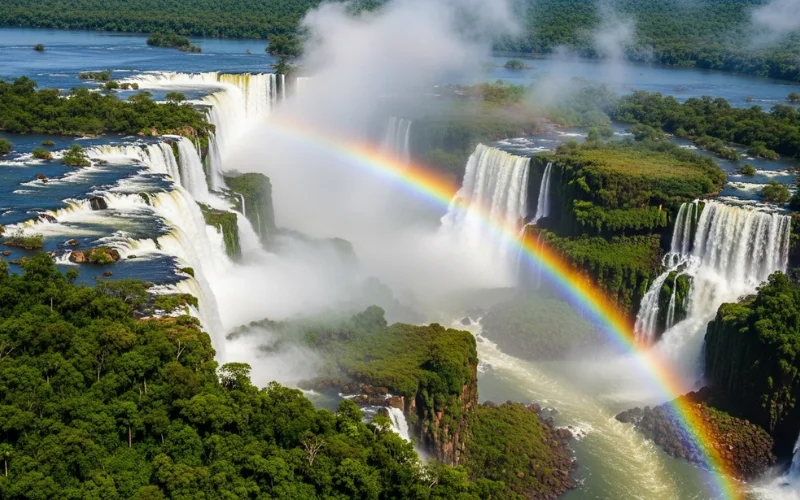 It is one of those famous places in Argentina that really does not disappoint the hype 275 separate falls spread out on the almost 3 kilometers area and drop between 60 and 82 meters. The Argentine side has you directly into the middle of the action with walkways that go directly over the falls, one of which is the Devil Throat point-of-view.
Spend two days here with yourself. The first day of the Argentine side, the second day of the Brazilian side that provides panoramic views. The Aventura Nautica boat ride goes right underneath the falls and you will most certainly get completely wet but it is worth every peso. Do not omit the Sendero Macuco, a 3.5 kilometer jungle path on which you can see toucans and coatis. Foreign visitor charges are about 30 to 35 each side.
El Calafate and Perito Moreno Glacier: Ice Like You Have Never Seen
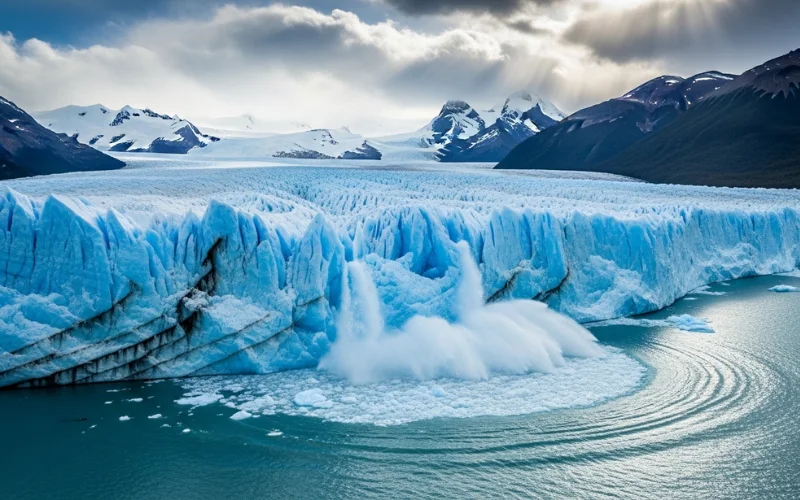 The Perito Moreno Glacier is a UNESCO world heritage site which is one of the only glaciers on earth that is literally continuing to move. It is located over 250 square kilometers and to an elevation of 74 meters above Lago Argentino surface. It is quite humbling to stand on the observation walkways as big chunks of ice as buildings roll off into the water.
It is a regular visit to the park on foot that is also free with your national park entry (approximately 45 dollars on foreigners). However, a minitrekking experience (booked at $400 to 500) which involves attaching crampons onto your feet and walking on the glacier itself (approximately 90 minutes) is recommended when there is some money left.
The Big Ice experience trek (600 to 800 dollars) is a full day adventure. It is also possible to do a boat trip to Estancia Cristina to see the Upsala Glacier and gaucho heritage, which is located in El Calafate. This is certainly among the top places to visit in Argentina.
El Chalten: The Trekking Capital of Argentina
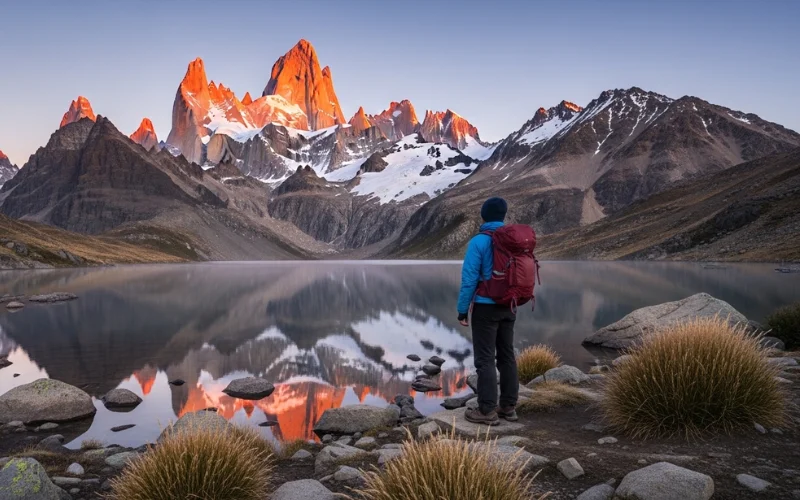 El Chalten can become your best place on the planet, in case you are a hiker. This small border town with population of approximately 1,600 was established in 1985 simply to resolve a border conflict with Chile. It is the gateway now of some of the most spectacular free hikes in South America.
Laguna de los Tres trail (10 hours round trip) will provide you with that classic Fitz Roy view which Patagonia is famous about. Budget on new trail charges, which were launched in 2025. To the accomplished trekker, the Huemul Circuit is a 4 day backcountry loop that crosses rivers and overlooks glaciers and few tourists will make it. The mountain scenery is beautiful and only two hours are required to access Laguna Capri on foot. El Chalten is a place that a person cannot pass in Argentina without appreciating the outdoors.
Ushuaia: The End of the World (and the Beginning of Antarctica)
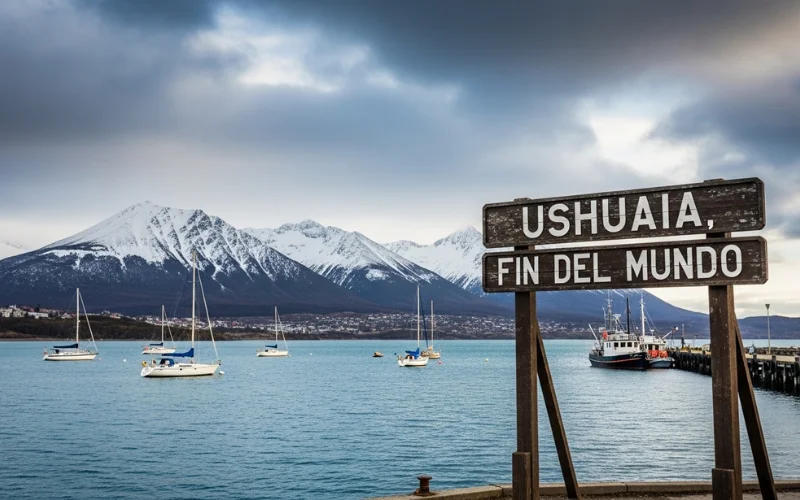 Ushuaia has positioned itself as the southernest city in the world and it is playing into it. The passport is stamped at the post office of the end of the world. There is more than novelty here, however. Tierra del Fuego National park has gorgeous coastal routes. Beagle Channel boat tours will see you sailing past sea lion colonies and the legendary Les Eclaireurs lighthouse.
The king crab (centolla) here is extraordinary and it is surprisingly cheap in the local restaurants as compared to how you would spend it in Buenos Aires. Ushuaia is where last minute cruise deals can be found and get updated in Antarctica on your bucket list and can be found between $5,000 and $15,000 a year depending on the cabin type and the time of the year. The southernmost ski resort in the world is called Cerro Castor, and it provides winter travelers with the opportunity to ski. Unique things to do in Argentina’s far south is full of such unusual activities that most people regret they had not arranged to stay longer.
Bariloche and the Lake District: Chocolate, Lakes, and Craft Beer
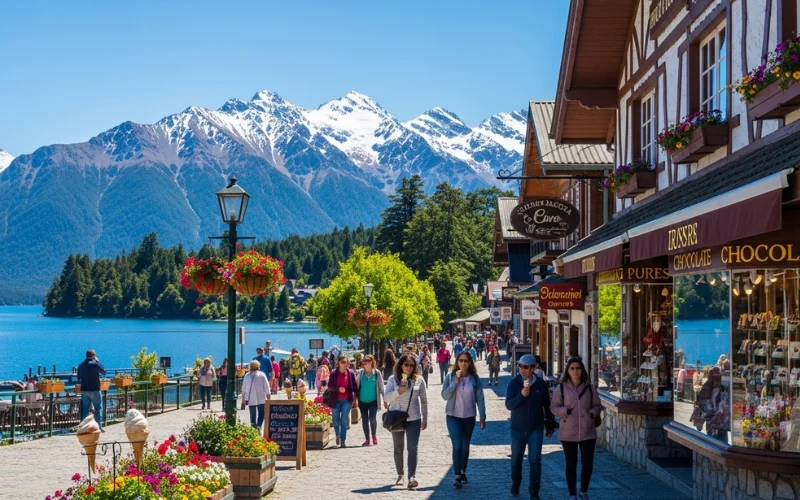 Bariloche is teamed by people as the Switzerland of South America and that is not a far way off being compared. The town is located on the banks of a lake called Lago Nahuel Huapi with snow capped mountains that make up its location and over 130 chocolate shops that make up the main avenue of the town. Yes, you read that right.
There is so much more to Bariloche than chocolate. The biggest ski resort in South America is Cerro Catedral. One of the most picturesque driving tours in the continent is the Seven Lakes Route towards the North to San Martin de los Andes. The Refugio Frey hike leaves you with a colored alpine lake with granite spires. Some of the best brews in Argentina should be found in Patagonia Brewery, Manush, Blest, and Gilbert by the lovers of craft beer. It is among those cool places in Argentina that you would not get bored even when you expect to spend a complete week. Should you be fascinated with the subject of travel equipment and outdoor equipment, the hiking culture in Bariloche is an ideal testing ground.
Mendoza: Wine, Mountains, and the Good Life
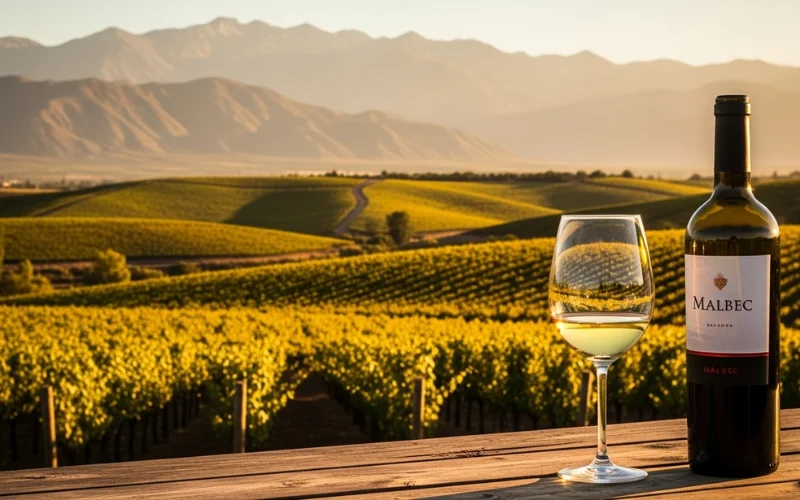 Mendoza is the capital of the wine industry in Argentina and has more than 1,500 wineries and the origin of Malbec in the whole world. However, there is one thing that most individuals fail to understand: you do not have to take an expensive tour in order to enjoy it. Rent a bike around Maipu which will cost you around 10 dollars and cycle between wineries on your own. Uco Valley is one of the most regarded winery of prestigious bottles whereas the facilities of the Lujan de Cuyo are within the nearest proximity to the city.
A wine tour average will range between 30 and 80 dollars depending on the wineries to be visited. During my visit in February or March, I attended Vendimia (grape harvest) Festival which is one of the largest cultural events in the country. Anconcagua, the tallest mountain in the Americas with the height of 6,961 meters is also the base camp of Aconcagua. The trek to the base camp, regardless of whether you are climbing the mountain, is an amazing experience. When individuals are posed the question of the best places to visit in Argentina, Mendoza will always be at the front of my list.
Salta and Jujuy: The Colorful Heart of Northwest Argentina
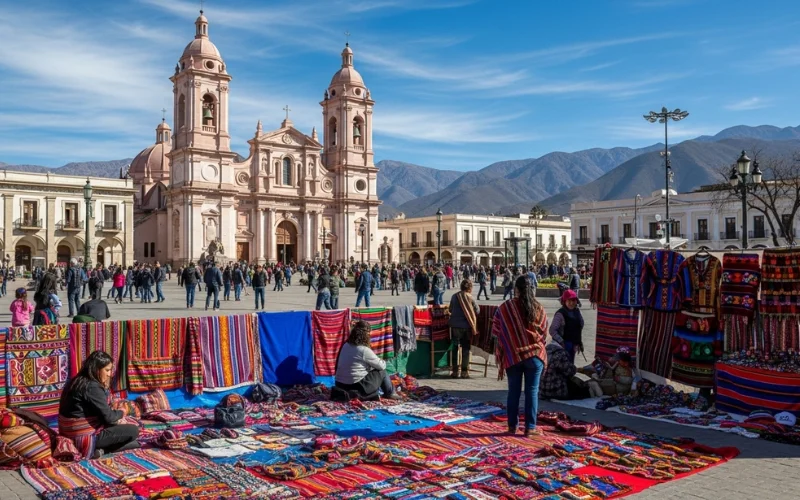 At the northwest, Argentina is an absolutely different country. The scenery changes to desert canyons and rise to salt flats on high altitudes and the culture bears high indigenous Quechua and Aymara. The city of Salta alone is beautiful, colonial, great empanadas (Salta style: beef and potato is the standard), and view-taking by the Teleferico San Bernardo.
One of the most impressive archaeological exhibits in the world is the MAAM museum in Salta, which contains 500 year old Inca child mummies discovered at 6,739 meters of the Volcan Llullaillaco. The Tren a las Nubes (Train to the Clouds) that ascends to 4,200 meters starting at Salta is a 400 kilometer ride on the rail. The pena folk music bars of Salta are worth a visit where people and visitors sit down together to eat plates of locro stew and sing together late through the night. It is one of the most interesting places in Argentina, which several travelers avoid all together.
Quebrada de Humahuaca: A UNESCO Canyon of Colors
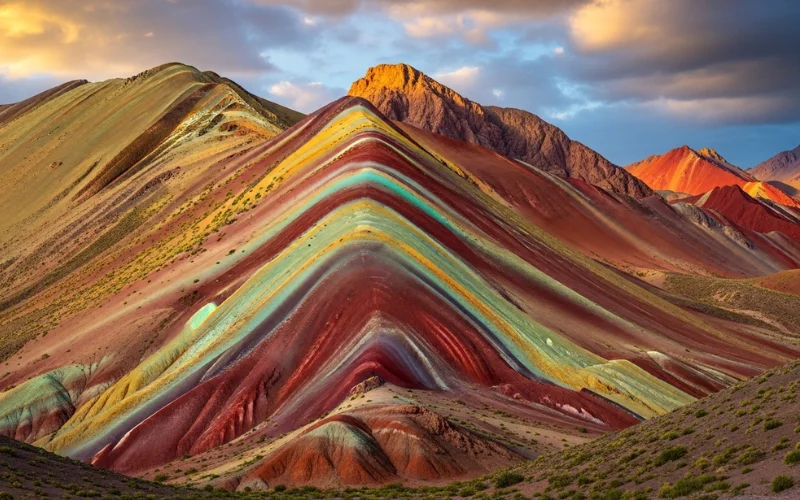 A UNESCO world heritage site, it is a 155 kilometer deep canyon in the north of Jujay province comprising of rock formations, which were formed 600 million years ago. The Cerro de los Siete Colores (Hill of Seven Colours) at Purmamarca is familiar to most of the people and yes it is beautiful. The true trump card is Serrania de Hornocal, just outside Humahuaca town.
Hornocal is also called the 14 Colored Mountain and is approximately 4,500 meters high and leaves the Seven Colors hill as a warm up performance. The road leading to it is off road and can be taken by an ordinary vehicle during the dry season. On the route of the gorge, visit Tilcara to view its ruins consisting of a pucara (fortress) of pre Columbian origin and in Purmamarca the entrance road to the Salinas Grandes, a 212 square kilometer salt flat 3,450 meters. They are truly beautiful places in Argentina and they should be included in all itineraries.
Cafayate: High Altitude Wine Without the Crowds
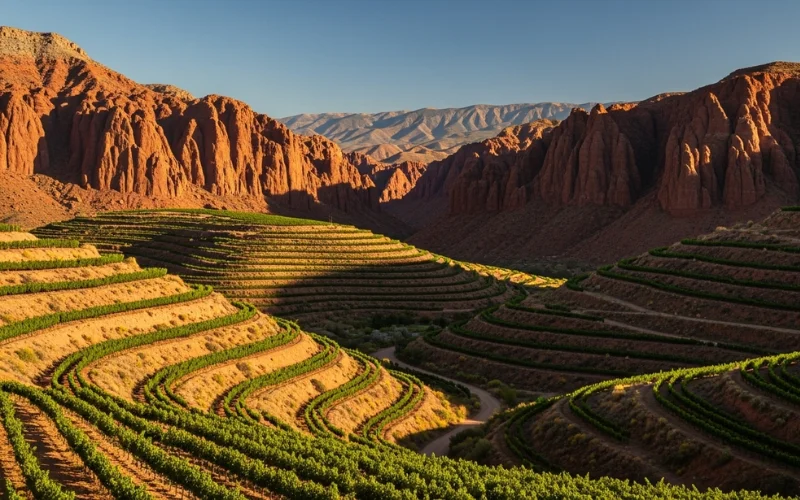 Should Mendoza be too much of a business, Cafayate is the way. This coy town is located 1, 700 meters above sea level and is known to have Torrontes grape, a cool aromatic wine which is white in color; it is brilliantly sharp and crisp and is not found anywhere in the world at the same standard. Tours of wine in this area are half the price of Mendoza.
The Quebrada de las Conchas that dummies up the road between Salta and Cafayate is in itself worth the journey. The highway is coated by amphitheater-shaped and castle-shaped red sandstone formation, and window-shaped. Wineries, such as Finca Las Nubes, and Bodega Tacuil, are the ones where one can experience intimate tasting without crowds of the tour buses. Cafayate is one of such Argentina tourist spots where you can get the impression that you have discovered something special, before the others would know about it.
Peninsula Valdes and Puerto Madryn: Wildlife Like Nowhere Else
Peninsula Valdes is a UNESCO World Heritage and among the top spots of wildlife viewing sites in the Western Hemisphere. The southern right whales arrive to breed between June to December with the best seeing the period in September and October. You can literally see them in the beach of Puerto Piramides.
Magellanic penguins are found between September and March and more than 200, 000 breeding pairs of penguins are found in at least one place in Punta Tombo (south of the peninsula). What actually occurs is the orca beach hunting which takes place between March and April when the killer whales deliberately seek to be grounded on the beach to hunt them. It is simply insane to watch. The base town is Puerto Madryn which has good restaurants and inexpensive accommodation. This is a must visit destination in Argentina especially where wildlife is concerned.
Cordoba: Argentina’s Underrated Second City
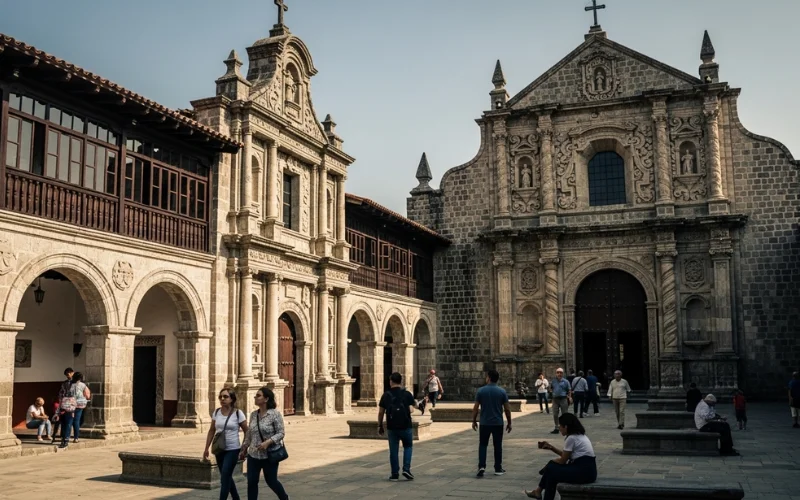 Cordoba is the second largest but the most international tourist skipping city in Argentina. That is a mistake. The Jesuit Block located in the historic center is a UNESCO site comprising of centuries old churches and the oldest university in Argentina. The surrounding hills of the Sierras outside of the city are a beautiful place to go hiking or riding horses on a green rolling terrain.
Cordobas are recognized by two things among Argentines: fernet con Coca Cola (the official drink in the country, born here) and cuarteto music. Go to the Alta Gracia and visit the Che Guevara Museum in the house where he was brought up. In Villa General Belgrano, there is an Oktoberfest annually. And La Cumbrecita is a walking-only mountain village, which resembles a Bavarian one. These are popular places in Argentina among the locals that seldom establish their way into English language travel literature.
Esteros del Ibera: Argentina’s Hidden Wildlife Paradise
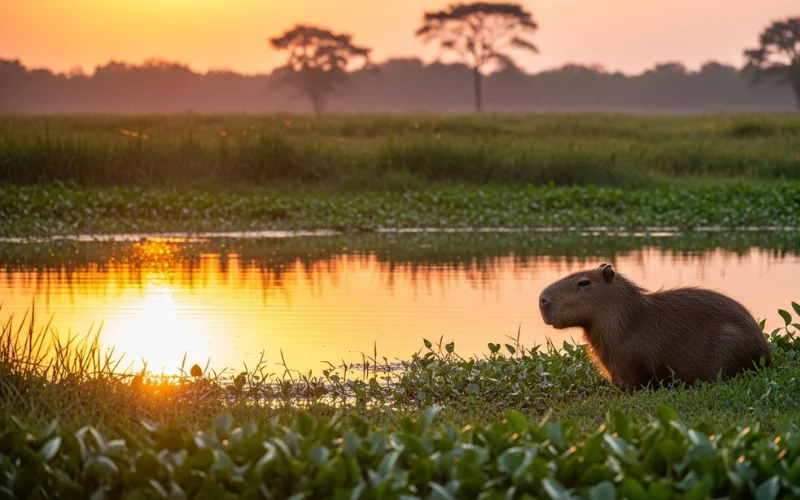 The second largest wetland system in the world in terms of fresh water wetlands is the Ibera Wetlands which possesses a surface area of over 13,000 square kilometers in Corrientes province. In 2018, it was the site of a national park created with the help of the Tompkins Conservation foundation to donate lots of land here which has become a awe-inspiring example of the success of wildlife recovery.
Large dog sized Capybaras scamper everywhere. Caimans bask on riverbanks. More than 350 birds species are inhabitants of this place. The largest is the reintroduction of jaguars, which had not been found in this area in more than 70 years. Colonia Carlos Pellegrini is the hub town, which is reached via a dirt road. This is those places in Argentina that hardly any international tourists have heard about, and that is actually the point.
Tigre Delta: A Quick Escape From Buenos Aires
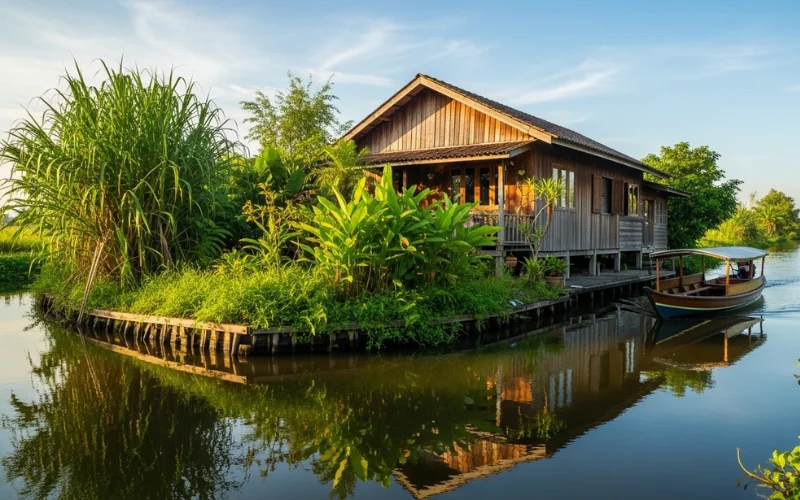 Only a 30-kilometer commuter train ride north of Buenos Aires, the Tigre Delta is a jumble of rivers, islands and wooden boardwalks that is another universe. You may take boat touring in the channels, visit the Puerto de Frutos market to shop the local crafts, kayak between the islands or even spend the night in a lodge located by the river.
It is the ideal half day or whole day urban getaway when you require a reprieve of the urbanity and traffic. A train ride at the Retiro station is almost free and boat tours begin at about 10-15 dollars. Nearly all itineration’s of the international Argentina travel guides do not mention Tigre and hence you will be sharing the experience with the local families mostly on weekends.
Mar del Plata: Argentina’s Premier Beach City
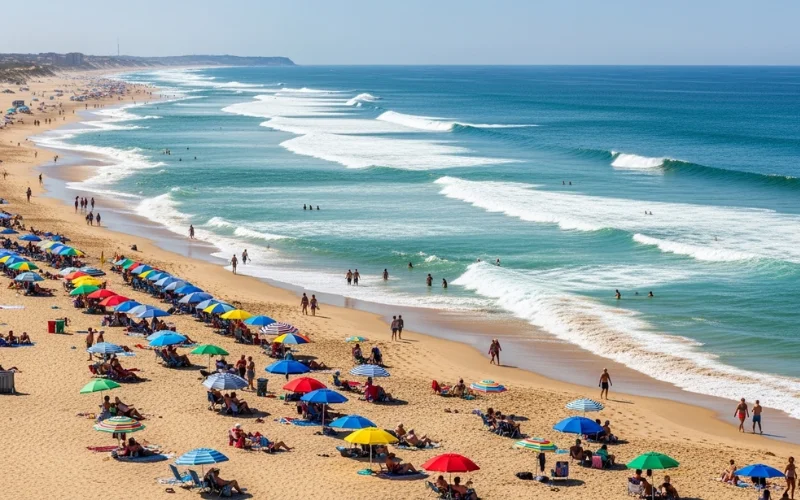 Mar del Plata is a beach resort that Argentines visit as a vacation destination, which is some 400 kilometers to the south of Buenos Aires. In January, the city population grows to more than one million as compared to its 650,000 in the rest of the year. It has broad beaches, great seafood and night life until the sunrise.
And there is more than the beach, Mar del Plata is the home of Havanna alfajores (those cookies of chocolate covered in dulce de leche that you find everywhere in Argentina). Port area has excellent casual sea food restaurants. and when you come out of season in full summer the prices of the hotels plummet. Mar del Plata is one of the most s best Argentina vacation spots that appears under the international radar, when the traveler desires to have a beach break in between the Patagonia adventures.
Talampaya and Ischigualasto: The Valley of the Moon
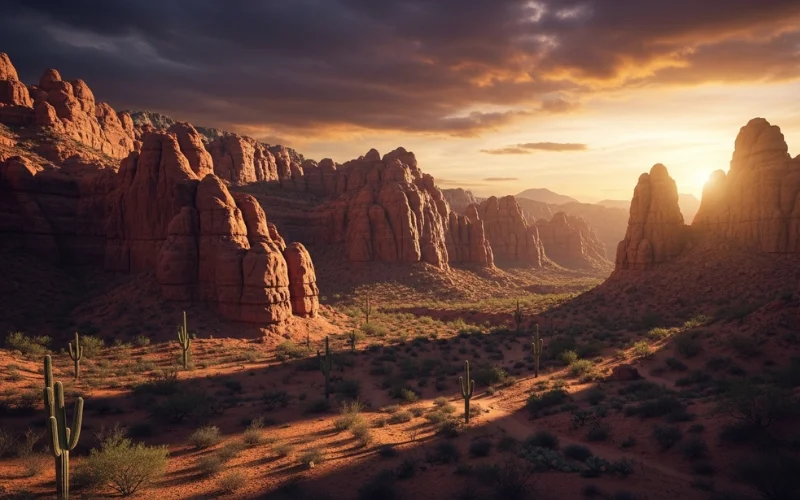 This is a place that has been mentioned in literally zero articles of the top ranking Argentina travel articles, and I do not really know the reasoning. The Province of San Juan and La Rioja, Talampaya National Park and the nearby Ischigualasto Provincial Park (the Valley of the Moon) make a UNESCO World Heritage Site.
The scenery is the supernatural. Soaring red sandstone cliffs, rocky formations that are weird as they have been created through millions of years of erosion and Triassic era remnants 200 to 250 million years old. It is a significant paleontological location in the world. This requires a guided tour vehicle entry (there is no independent access allowed) and the desert quiet enhances the experience. This is as far off of any wide-trodden tourist trail as you can get in Argentina.
San Martin de los Andes: The Quieter Alternative to Bariloche
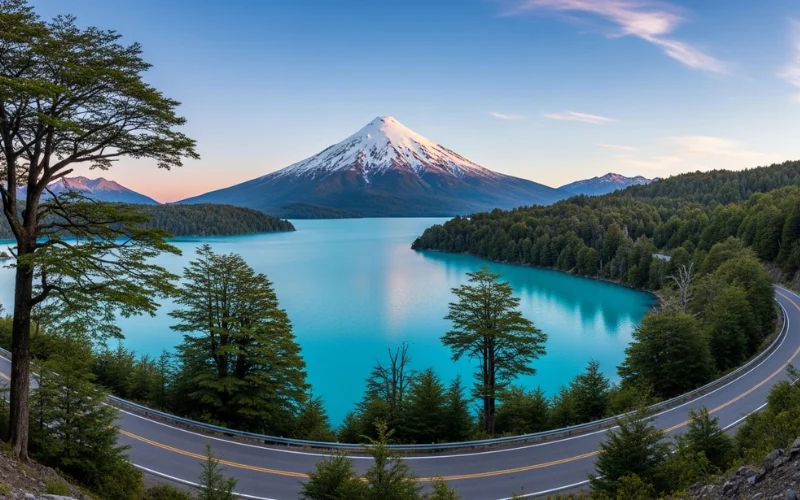 Should Bariloche be too full of tourists, San Martin de los Andes can provide the same Lake District charm with a small fraction of the tourists. It is at the terminus of the renowned Seven Lakes Route and the entry point to Lanin National Park which harbours the idyllic picture of the Volcan Lanin at 3,776 meters.
The town itself is pleasant, complete with good restaurants, local craft shops and a relaxed feel which Bariloche has largely lost. In Chapelco, skiing is not as crowded and expensive as in Cerro Catedral. Here fly fishing is of a world standard. San Martin is among such cities of Argentina that one wants to visit and feel like one of the insiders of Argentina who does not reveal it to those other countries rather they choose to keep it a secret.
Los Alerces National Park: Ancient Trees and Pristine Lakes
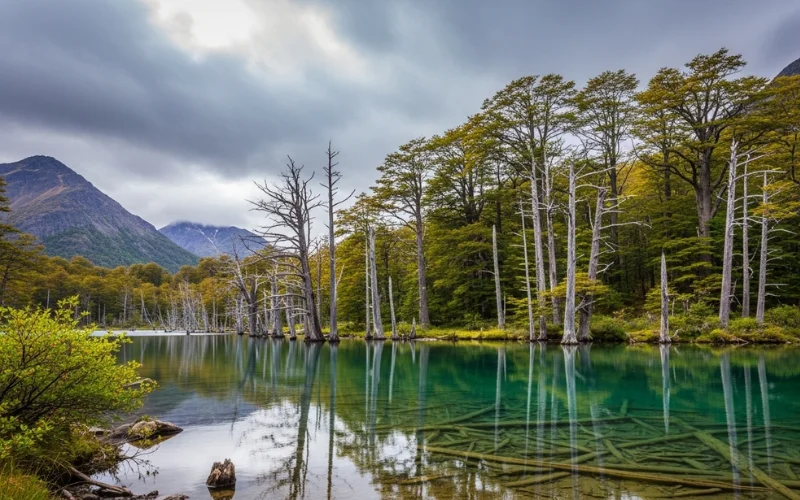 The forests of Patagonian cypress trees dating back to 2,600 years old are preserved in this UNESCO World Heritage Site (inscribed in 2017) close to Esquel as well as Trevelin towns. The park boasts of clear lakes, tremendous trout fishing, as well as some of the last pristine wilderness in Patagonia.
Subsequently, you can visit the Welsh tea houses in Trevelin where they prepare amazing cakes and scones. Yes, Welsh. The tradition started with a community of Welsh immigrants who settled here in 1800s. It is an Argentina attraction that pays off to those who have an interest in going out on the outskirts of the main Patagonia circuit.
Tolar Grande and the Puna: Argentina’s Alien Landscape
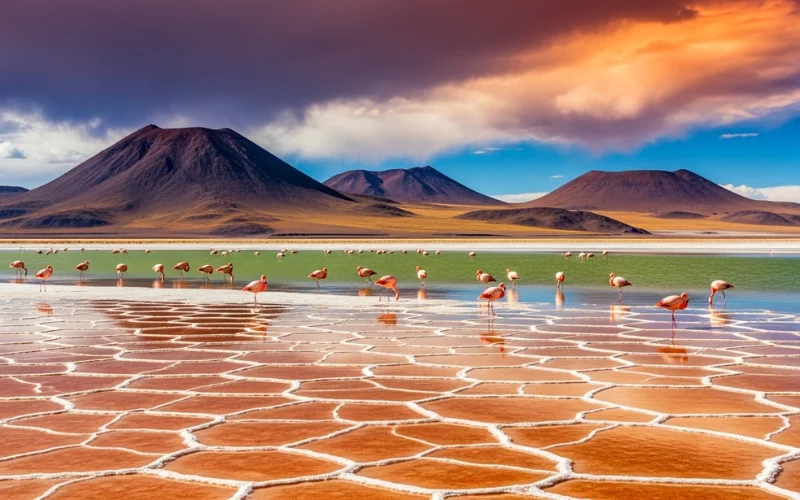 The Puna is the high-altitude plateau of Argentina in the very far northwestern region and Tolar Grande is the most surreal outpost. The volcanic cones are coming out of broken salt flats. Through the salt crust eyes of water spurt up to reflect the sky. The horizons are spread with fields of white pumice. The lagoons filled with flamingo are at a height of more than 4,000 meters.
To arrive here one needs to be willing to work hard whether through a guided 4×4 adventure tour through Salta or one working independently driving in unpaved routes. However, when you desire sceneries that resemble those found in Mars, the Puna delivers. Include the village of Iruya, which can be reached by a pothole canyon road, to have a mountain seclusion that brings the feeling of going back several centuries. These are really the most cool places in Argentina as far as adventure tourists are concerned.
Rosario: Birthplace of the Flag and Che Guevara
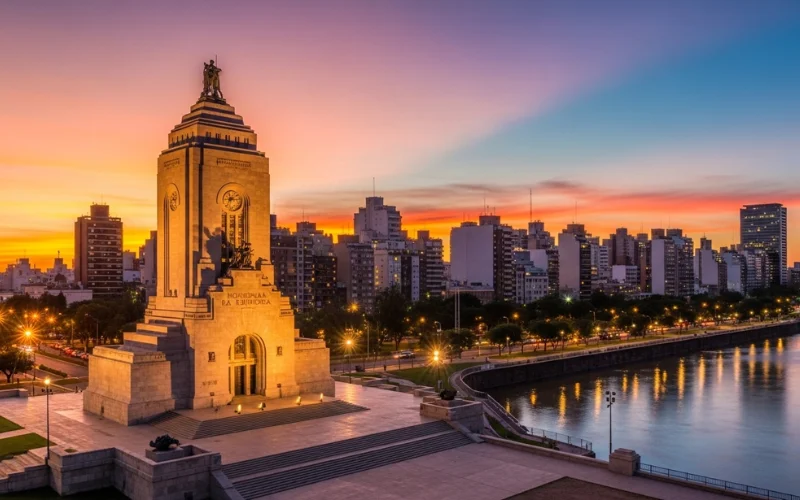 The third largest city in Argentina is located at the Parana River and has actual historical value. This is the place where the Argentine flag was first hoisted which is marked by the monumental Monumento a la Bandera. It is also the birthplace of Ernesto “Che” Guevara.
The coastal promontory of costanera is very walking and bicycle-unfriendly, the restaurant business is more than its own weight. One candid observation, though: Rosario had certain security issues during the last several years, and thus, one should be particularly careful, especially at night and pay attention to local news before going there. Nevertheless, it is still among the Argentina cities to explore when a tourist is interested in history and wants to have a local urban experience without paying Buenos Aires prices.
What to Eat in Argentina: A Quick Food Guide
When discussing the Argentina tourism, you cannot forget to mention food. This is a serious eating country and so should you.
Asado: The Sacred Sunday Ritual
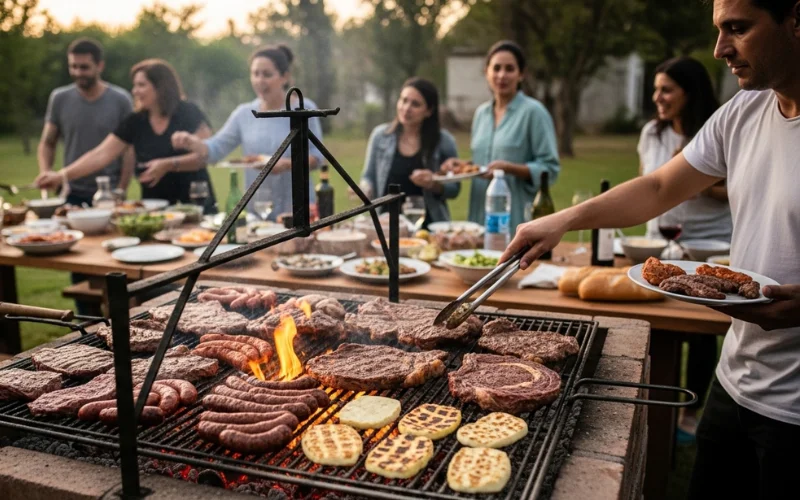 Asado is not just a barbecue. It is a social gathering, a family culture and in short a religion. The Argentines eat about 56 kilograms of beef per capita per annum, and the majority of it is off the parrilla (grill). An adequate asado will consist of chorizo, morcilla (blood sausage), provoleta (grilled provolone cheese), and various portions of the beef that will be roasted on wood or charcoal.
In a restaurant, about 20 dollars is expected to buy a 400g steak which is generously served with a glass of Malbec and a side salad. Buenos Aires has a Michelin star Don Julio but in the truth the best asado is to be found in small (local) parrillas where the menu is written in a chalkboard.
Empanadas, Mate, and Everything Else
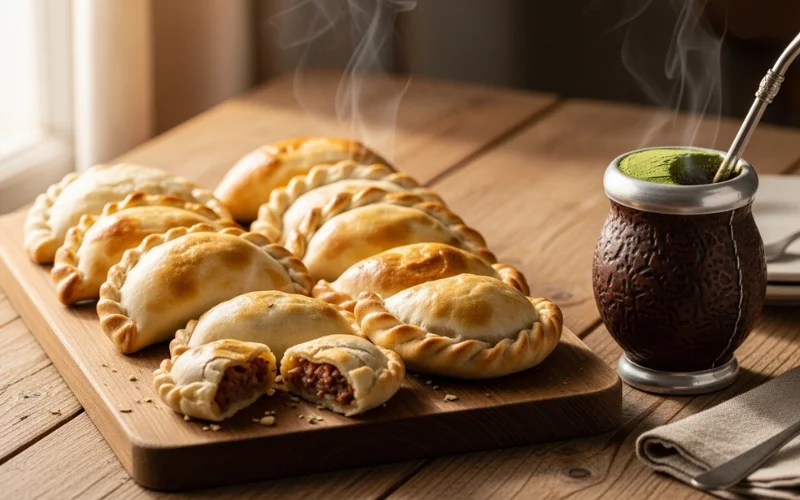 Regional variations in empanada can be used. Salta slices beef and potato, and cooks it in a crispy baked shell. Theirs are deep-fried in Tucuman and they are unbelievable. They are stuffed with lamb at Patagonia. It has trout empanadas in the Lake District. The cost of an empanada is approximately between 2 and 5 dollars and thus empanada is the best low-price meal in the country.
The thing about mate etiquette is something you ought to learn before your Argentina trip. This group of herbal drink is passed in a clockwise direction. When you are finished say gracias (it means you do not want any more). Vortex the bombilla (metal straw), without stirring it. Never request sugar when you are not provided with it. This may not be a big issue, but locals are sincerely glad when visitors take the tradition into consideration.
Other dishes to order: milanesa napolitana (breaded cutlet with tomato and cheese), medialunas (sweet croissants), locro (a hearty stew of corn and meat hot in the winter), provoleta, and whatever has dulce de leche. To have even more food explorations, our food and culture segment discusses local dishes in various nations.
Sample Itineraries for Your Argentina Trip
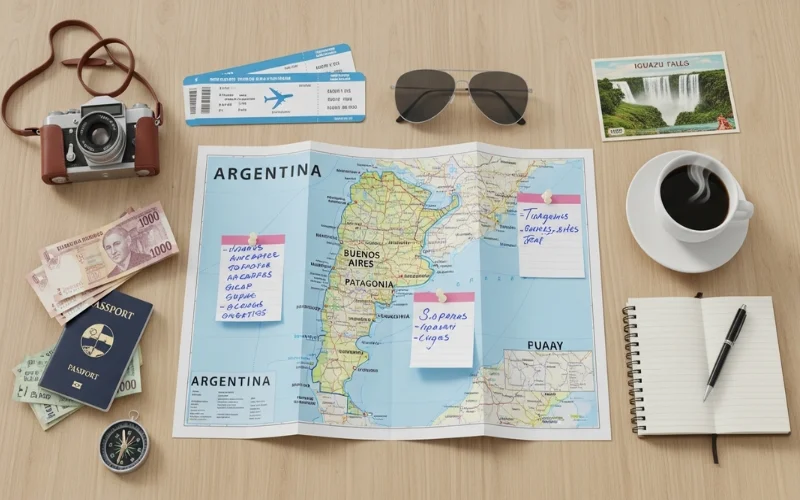 Here are three realistic itineraries depending on how much time you have. These are based on actual travel logistics, not wishful thinking.
| Trip Length | Destinations | Daily Budget (Mid Range) | Highlights |
| 1 Week | Buenos Aires (3 days), Iguazú Falls (2 days), El Calafate (2 days) | $80 to $120/day | City, waterfalls, glacier |
| 2 Weeks | Buenos Aires (3), Iguazú (2), Salta/Jujuy (3), Mendoza (3), El Calafate (3) | $80 to $150/day | Full country loop, wine, northwest |
| 3 Weeks | All above plus El Chaltén (3), Bariloche (3), Ushuaia (2), Córdoba (2) | $80 to $150/day | Deep dive, every major region |
Stay one week in the triangle of Buenos Aires, Iguazu and Patagonia or Mendoza. Attempting to fit too much in seven days will leave you half a trip in the air-ports. Two weeks Include the northwest (Salta and Jujuy are criminally underrated) and Mendoza in wine. Three weeks would allow you to make a proper loop to cover Patagonia and the north. Our travel guides section provides more planning details in case you need assistance with your schedule.
Argentina Travel Budget Breakdown
Money is always the big question with Argentina travel, so here is a realistic breakdown based on current 2025 to 2026 prices.
| Category | Budget | Mid Range | Luxury |
| Accommodation/night | $8 to $15 (hostel dorm) | $50 to $100 (hotel) | $150 to $300+ (boutique) |
| Food/day | $15 to $25 | $30 to $50 | $60 to $100+ |
| Transport/day | $10 to $15 (bus) | $20 to $40 (flights/rental) | $50+ (private transfers) |
| Activities/day | $5 to $15 | $20 to $50 | $100+ (premium tours) |
| Total/day | $38 to $70 | $120 to $240 | $360+ |
One point of note: everything, including hotels, to groceries, is 30-50 percent higher in Patagonia than in Buenos Aires or the northwest. Budget in case your schedule is heavy Patagonia. The cheapest part of the country and the best-rewarding one is the northwest (Salta, Jujuy, Cafayate).
Mistakes to Avoid When Traveling Argentina
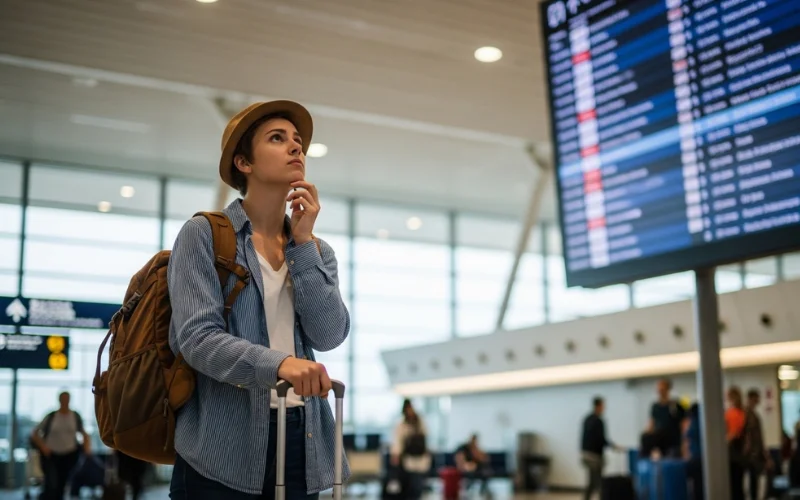 These are the largest errors that continue to reappear after searching through dozens of traveler forums and reports of trips.
- Trying to see everything in one week: Argentina is the 8 th largest among the world countries. Explore an area and see it well instead of wasting the whole trip in transit.
- Via money only in the airport: Airport rates are the worst. Pay with your foreign credit card at the MEP rate, or change money at the better-known casas de cambio in the city centre.
- Skipping the northwest: All of them head to Patagonia and overlook the Quebrada de Humahuaca, the Cafayate wine country, and the Puna. They are among the best in Argentina and they only charge a little fraction of the cost of Patagonia.
- Failure to reserve Patagonia accommodation in time: El Chalten and El Calafate get full of visitors from December to February. Book at least 23 months before peak season.
- Eating dinner at 7pm: You are going to eat alone in a restaurant that is empty. Locals eat from 9 to 10pm. You will have a significantly better time by changing your schedule.
- Disregarding the altitude in the northwest: Purmamarca sits at 2,192 meters. Salinas Grandes is at 3,450 meters. The Puna goes above 4,000 meters. Ease into it, drink a lot of water and gnash the coca leaves as the natives.
Tips From Experience
- Learn Spanish, learn five phrases: Even elementary Spanish is a long way. Requesting the bill, or bill of exchange, “La cuenta, por favor” (the check please) and whereabouts, “Donde esta…. (where is…) will take care of the majority of the cases. English is not common in the non-tourist areas of Buenos Aires.
- Carry small bills: Several small stores, buses, and street sellers are unable to divide big bills. Keep bills of not more than 1,000 pesos.
- Download offline maps: Patagonia and the northwest have sporadic cell service or no service. Google Maps offline or Maps.me will come to the rescue over and over again.
- Try the bus system: Long distance buses in Argentina, particularly cama (full sleeper) is comfortable and has meals. Overnight bus makes you save a hotel night, and get to your next destination at morning.
- Visit a futbol match: The atmosphere in La Bombonera or El Monumental, even when you are not a fan of sports, is indescribable. Purchase the tickets on the official website of the club or a trusted tourism operator.
- Get travel insurance: Entry is now mandatory, but outside of the requirement, Argentine healthcare to foreigners who do not have insurance may be costly. A decent policy with reputable providers costs approximately $40 to 80 every month as well as includes altitude illnesses and emergency transport out of Patagonia.
Frequently Asked Questions About Traveling to Argentina
Is Argentina safe for tourists in 2026?
Argentina is mostly safe as a tourist destination. It is ranked the 46 th on the Global Peace Index, which positions it safer than the United States. The high-risk areas are petty theft and scams in Buenos Aires, especially where there are high densities of tourists. Take the common sense measures such as locking valuables, avoiding flashy jewelry and be conscious of your environment in the crowded places. In Argentina, with the exception of Buenos Aires, most localities are extremely safe, particularly smaller towns in Patagonia and the northwest.
Do I need a visa to visit Argentina?
Majority of Western tourists do not require a visa. US, EU, UK and Canada, as well as a great number of other countries, grant their citizens visa free access up to 90 days, which is renewable after arrival at the immigration office of Buenos Aires. Reciprocity fee has been eliminated forever. All you have to do is to have a valid passport having a minimum of 6 months to live.
What is the best month to visit Argentina?
It is all up to you and what you wish to do. In the case of Patagonia, the months of December to February are critical (most of the trails and roads become closed during winter). In the case of Buenos Aires and wine country, the period between March and May is good due to autumn weather and low price. In the case of the northwest, the rainy season is avoided during the months between April and November. The most convenient option would be October to November as it would include several areas in a tour.
How many days do I need in Argentina?
At least 10 14 days will allow you to explore the highlights without being in a hurry. A week will do with concentration on one or two areas. The longest is 3 weeks or more to make a full tour which includes Buenos Aires, Patagonia, the northwest and wine country. The aspects that make Argentina reward slow travel are that the distances are vast and the Argentina activities are widely differentiated in terms of geographic locations.
Is Argentina expensive to travel?
Argentina is fairly cheap according to the global standards. Low-end tourists can afford to spend between 40 and 70 dollars in a day in accommodation, food and transport among other necessities. The middle range travelers who pay between 120 and 200 dollars a day will have quality food, nice accommodation and quality activities. The most expensive area is Patagonia (30 to 50 percent of the remainder of the country) and the cheapest is the northwest.
What currency should I bring to Argentina?
The foreign currency that is most convenient to carry is US dollars. You should bring clean and unmarked bills of $100 to the casas de cambio to get the best exchange rates. Your international Visa or Mastercard will offer you a competitive MEP exchange rate in majority of businesses. The ATM rates and charges are low, and hence they should be avoided. There are also smaller towns and rural places that deal in cash only thus it is always better to have pesos.
What food should I try in Argentina?
Begin with asado (the classic barbecue), empanadas (particularly Salta style or Tucuman style), and a good steak in a parrilla. Have provoleta (grilled provolone cheese), milanesa napolitana, and breakfast with medialunas, and anything with dulce de leche. Get used to taking mate with people. In Mendoza and Cafayate, have local wine Malbec and Torrontes with your food. In Patagonia, also do not skip the centolla (king crab) in Ushuaia and lamb in El Calafate.
Can I drink tap water in Argentina?
Yes, the tap water is considered to be safe to drink in Buenos Aires and in the greatest part of big cities. Put simply, in more distant or rural regions, particularly in the northwest, bottled water is a less hazardous option. The tap water is not a problem to most locals in urban areas.
Do I need to speak Spanish in Argentina?
Basic Spanish is very useful, particularly when one is not in Buenos Aires. There will be some English speakers in the large tourist spots and the high end hotels. However, in smaller towns, the northwest and rural Patagonia Spanish is a must in terms of navigation, food ordering and communication with the natives. An English translator on your phone can be used as a backup.
What is the best way to get around Argentina?
Internal flights are the most efficient in lengthy routes, with such airlines as Aerolineas Argentinas, JetSmart, and FlyBondi flying between large cities. Comfortable and cheap overnight buses (cama or semi cama class) are used on medium distances. The car rental can be used to make scenic trips such as the Seven Lakes Route, the Quebrada de las Conchas and explore the wine fields of Mendoza. The network is Subte (metro) within the city of Buenos Aires and Uber ride apps are effective within the country.
What should I pack for Argentina?
Pack in layers. The climate in Argentina is extremely diverse between subtropical Iguazu and freezing Patagonia. In the case of Patagonia, go with a good windproof, waterproof jacket, thermal underwear, and high-quality hiking shoes. In the case of Buenos Aires and the northwest, a light jacket can be combined with light clothing when going out in the night. The sunscreen is very much needed everywhere and mostly in Patagonia where the ozone layer is delicate. A reusable water bottle, power adapter (Type C and Type I plugs are used in Argentina), and good daypack complete the list of necessities.
Is Argentina good for solo travelers?
Absolutely. One of the countries in South America that has the highest number of solo travelers is Argentina. Buenos Aires boasts of a huge hostel culture. Patagonia is good in terms of safe trails. Northwest boasts of a solid backpacker society. The Argentines are so friendly and outgoing, it will be easy to mingle with them in pubs, buses, and common rooms of hostels. Simply exercise normal safety precaution as it would be in any big tourist space.
Wrapping Up Your Argentina Trip Planning
Argentina is the type of a country to which you always feel like going back. That is why, hopefully, this guide will provide you with the useful information and truthful suggestions on how to organize a trip that may really meet the expectations.
In case you are continuing to narrow down on the place within Argentina to visit, just begin with the region that is most appealing to you and start with that. To continue the research, go through our travel resources to get more tips and guides on travel planning.
Read Next: Arizona Places to Visit: 30+ Best Destinations That Are Actually Worth Your Time